
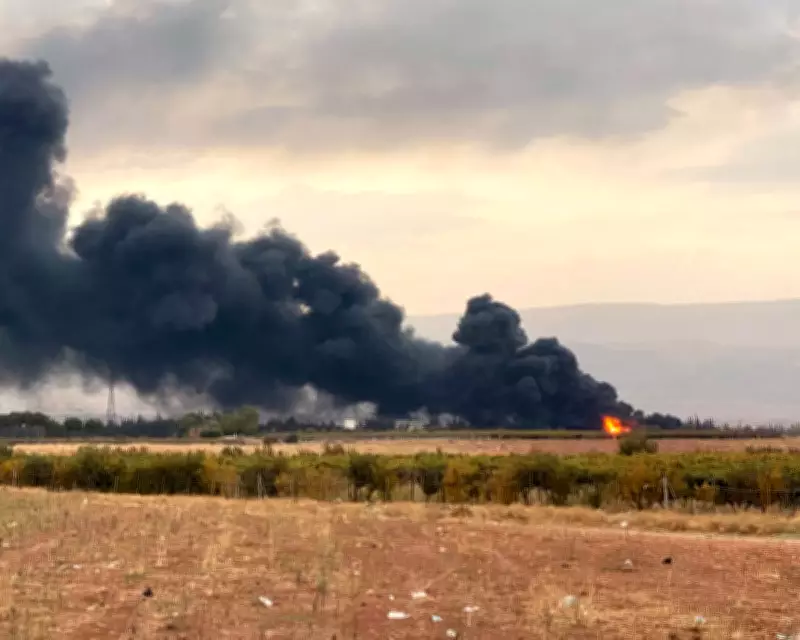
Lebanon Formally Accuses Israel of Ecocide
Lebanon has formally accused Israel of committing ecocide, alleging that Israeli military operations have caused widespread and lasting environmental harm in southern Lebanon. The accusation, presented to the United Nations, claims that deliberate actions have led to deforestation, soil degradation, and pollution of water sources, devastating local ecosystems.
Details of the Allegations
The Lebanese government asserts that Israeli airstrikes and ground operations have destroyed vast areas of forest land, particularly olive groves and pine forests that are vital to the region's biodiversity and agricultural economy. Additionally, the use of incendiary weapons and explosives is said to have contaminated soil and groundwater with heavy metals and toxic chemicals, posing long-term risks to human health and wildlife.
Environmental experts have documented significant damage, including the loss of thousands of trees, the displacement of animal species, and the degradation of natural habitats. The accusation highlights the potential violation of international environmental laws and conventions, including the Rome Statute, which could classify ecocide as an international crime.
International Reactions
The international community has reacted with concern, with several human rights and environmental organizations calling for an independent investigation. The United Nations Environment Programme (UNEP) has expressed readiness to assist in assessing the damage, pending access to the affected areas. Meanwhile, Israel has denied the allegations, stating that its military operations are conducted in compliance with international law and that any environmental damage is unintentional and a result of legitimate self-defense actions.
Legal experts note that the concept of ecocide is gaining traction globally, with some countries already criminalizing severe environmental harm. The case could set a precedent for holding nations accountable for environmental destruction during armed conflicts.
Impact on Local Communities
Local farmers and residents in southern Lebanon have reported significant losses, with many olive groves and agricultural lands rendered unusable. The destruction of forests has also led to soil erosion and increased risk of landslides. Communities reliant on natural resources for their livelihoods face an uncertain future, as recovery may take decades. The Lebanese government is seeking compensation and support for environmental restoration efforts.



