Small Business Owner Confronts £42,000 Data Roaming Nightmare After Family Holiday
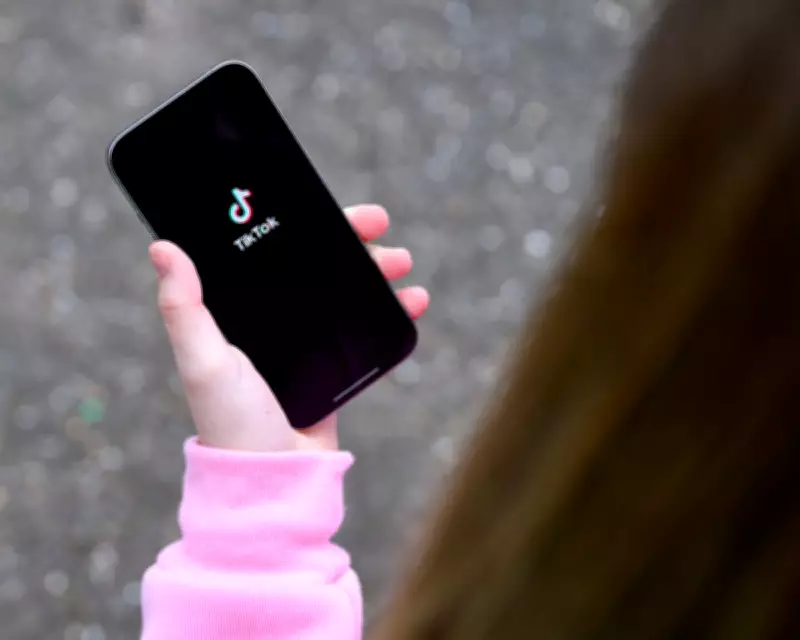
Andrew Alty, a Manchester-based curtains business owner, was left reeling from a staggering £42,000 mobile phone bill that he claims nearly pushed him into financial ruin. The exorbitant charges accumulated during a family holiday in Morocco, where his daughter's extensive use of the social media app TikTok led to uncapped data roaming fees.
Initial Shock and Mounting Bills
While traveling in Marrakech, Alty received an initial bill of £22,000 from network provider O2, which he initially dismissed as a probable error or account hacking. "I was on my way to the desert," Alty recounted to the Telegraph. "I made multiple attempts to call O2, but there wasn't much I could do. I could only assume there had been a glitch, or the account had been hacked."
Upon returning home to the UK, the situation worsened when he was hit with an additional £20,000 charge, bringing the total to £42,000. The astronomical sum equated to approximately £5,000 for each hour of TikTok usage, highlighting the severe impact of data roaming outside Europe.
Contractual Oversight and Lack of Transparency
Alty had obtained the phone contract through his business via retailer Currys, with O2 providing the mobile service. The agreement included a critical clause that left data roaming charges outside Europe completely uncapped, a detail Alty asserts was not properly explained to him. "There's no way they should be able to charge that," he protested. "They made no effort to inform us, and just allowed the charges to accrue. I don't understand how they expect any small business to pay that sort of bill."
Roaming charges, which apply when phones connect to foreign networks for internet access, have historically burdened unsuspecting travelers with substantial costs. In this instance, the lack of a spending cap allowed the fees to spiral uncontrollably.
Frustration with Customer Service and Ombudsman Ruling
The ordeal consumed Alty's life for over two months, marked by unproductive interactions with customer service teams. "It's taken up such a huge part of my life over the past two months," he lamented. "It's ridiculous. [The customer service teams] have not been helpful; the calls have just ended in frustration and despair."
Seeking recourse, Alty filed a complaint with the Financial Ombudsman Service (FOS), arguing that the "opt-out of rest-of-world data cap" was inadequately disclosed. However, the FOS determined that while O2 supplied the mobile service, Currys bore responsibility for contract explanations and spend cap decisions, thus limiting their ability to intervene.
Resolution After Media Intervention
Following involvement from the Telegraph, both Currys and O2 agreed to waive the entire £42,000 charge. An O2 spokesperson stated, "We're aware of Mr Alty's complaint, which the ombudsman ruled was a sales process dispute with his account provider Currys. We understand that this is now resolved, with Currys agreeing to waive all charges."
Currys confirmed the charges were removed "given the scale and circumstances surrounding the case," providing Alty with much-needed relief from the financial burden.
Broader Implications for Consumers and Businesses
This incident underscores the critical importance of understanding mobile contract terms, particularly regarding international data usage. Small businesses and individual consumers alike must vigilantly review agreements to avoid similar pitfalls, as roaming charges can escalate rapidly without proper caps or notifications.
The case also highlights the role of media exposure in resolving disputes with large corporations, emphasizing the need for transparent communication and fair practices in the telecommunications industry.