
Western Europe has been scorched by its hottest June on record, scientists have confirmed, as the UK enters its third heatwave of the year and wildfires continue to ravage France and Spain. The extreme temperatures have led to drought conditions, health warnings, and disruptions across the region.
Record-Breaking Temperatures
According to climate scientists, June 2026 was the hottest June ever recorded in Western Europe. The heatwave intensified throughout the month, with temperatures soaring above 40°C in parts of Spain and France. The UK experienced its third heatwave of the year, with temperatures exceeding 30°C in many areas.
In southern Spain, temperatures pushed up to 40°C, prompting people to seek relief at drinking water fountains. In Granada, a man was seen dunking his head under a fountain to cool off. In France, the dry bed of the Doubs River in Villers-le-Lac highlighted the severity of the drought.
Impact on Daily Life
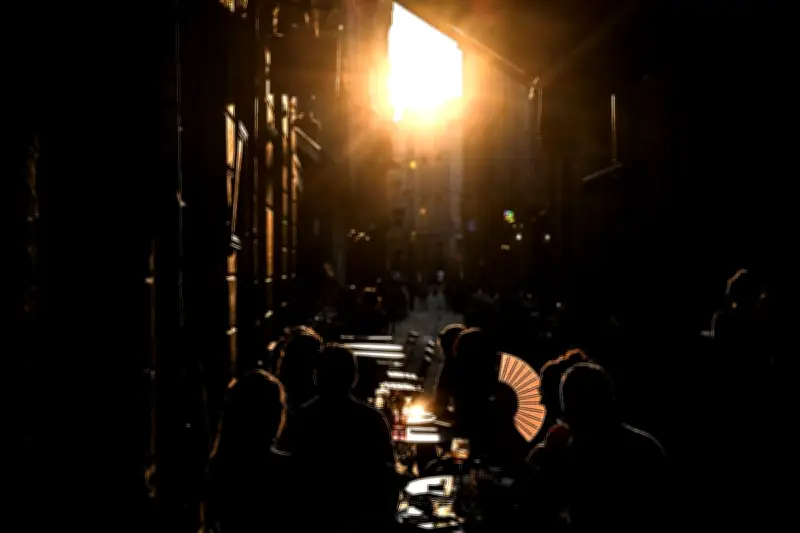
Across the region, people adapted to the extreme heat in various ways. In Munich, Germany, commuters took the tram in swimsuits after swimming in the Eisbach creek at the English Garden. In Nice, France, people sheltered under awnings at coffee shops. In London, UK, tourists shielded from the scorching sun under umbrellas outside Buckingham Palace.
In Barcelona, Spain, a man rested under a palm tree on a beach on the final day of the heatwave that affected Spain for several days. In Valencia, tourists queued at a water fountain to fill their bottles at the City of Arts and Sciences cultural complex.
Health and Emergency Services
Hospitals faced increased pressure due to the heat. In Dreux, France, electric fans were placed in a corridor outside patients’ rooms at the Victor Jousselin hospital in Eure-et-Loir, northern France. Firefighters were also deployed to manage heat-related incidents, including spraying water on spectators at the finish line of the sixth stage of the Tour de France in Gavarnie-Gèdre.
According to health officials, the elderly and those with pre-existing conditions were particularly vulnerable. Authorities issued warnings urging people to stay hydrated and avoid strenuous activities during peak heat hours.
Wildfires and Environmental Damage
The heatwave exacerbated wildfire conditions in France and Spain. Firefighters battled blazes in several regions, with dry vegetation and high winds fueling the flames. The drought worsened in western France, where sandbanks were revealed under a bridge crossing a branch of the Loire River in Loireauxence.
In Italy, tourists filled bottles at the Barcaccia fountain in front of the Spanish Steps in Rome, reflecting the widespread need for water. The heatwave also affected cultural events, such as the San Fermin festival in Pamplona, Spain, where a woman cooled off in the Arga River.
Climate Change Context
Scientists attribute the record-breaking heat to climate change, with greenhouse gas emissions driving more frequent and intense heatwaves. The World Meteorological Organization has warned that such extreme weather events are likely to become more common unless emissions are significantly reduced.
As Western Europe continues to swelter, governments are urged to implement heat action plans and invest in climate adaptation measures. The current heatwave serves as a stark reminder of the urgent need to address the climate crisis.



