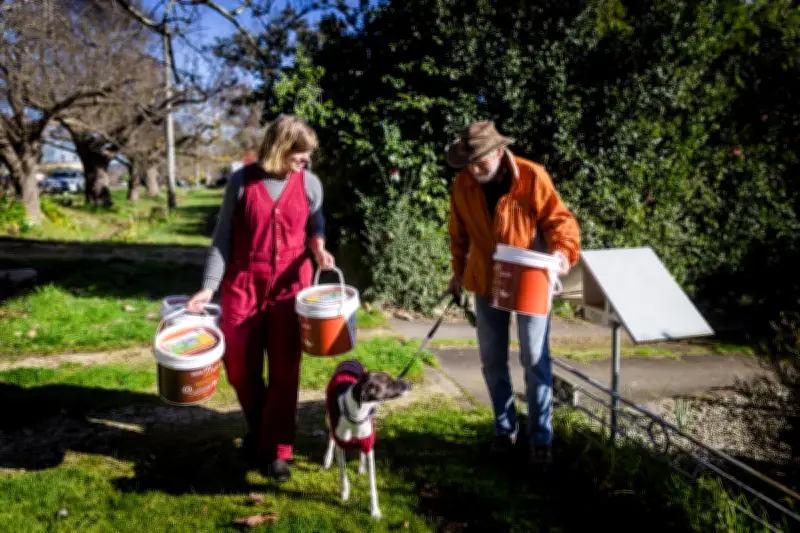
Composting kitchen scraps and garden cuttings is an effective way to reduce household waste while creating nutrient-rich soil for your garden. According to gardening experts, green waste—such as vegetable peelings, grass clippings, and pruned leaves—can be transformed into compost in as little as three months with the right balance of materials and moisture.
What to compost
Green waste includes fruit and vegetable scraps, tea bags, coffee grounds, grass cuttings, and soft plant prunings. Brown materials like cardboard, dry leaves, and straw should be added in roughly equal proportions to maintain a balanced carbon-to-nitrogen ratio. Avoid adding meat, dairy, or diseased plants to prevent pests and odors.
Building your compost heap
Choose a spot in your garden that is well-drained and partially shaded. Layer green and brown materials alternately, starting with a layer of coarse twigs or straw to aid aeration. According to the Royal Horticultural Society, a heap should be at least one cubic meter in size to generate enough heat for decomposition. Water each layer lightly to keep the heap moist but not soggy.

Maintaining the pile
Turn the compost every two to four weeks using a garden fork to introduce oxygen, which speeds up decomposition. In warm weather, the pile can reach temperatures of up to 60°C, killing weed seeds and pathogens. A well-maintained heap can produce usable compost in three to six months.
Using your compost
Once the compost is dark, crumbly, and smells earthy, it is ready to use. Spread it as a mulch around plants, mix it into potting soil, or dig it into garden beds to improve soil structure and fertility. Compost also helps retain moisture and reduces the need for chemical fertilizers.
By composting kitchen scraps and garden cuttings, households can divert up to 30% of their waste from landfills, according to environmental studies. This simple practice not only enriches your garden but also contributes to a more sustainable lifestyle.