
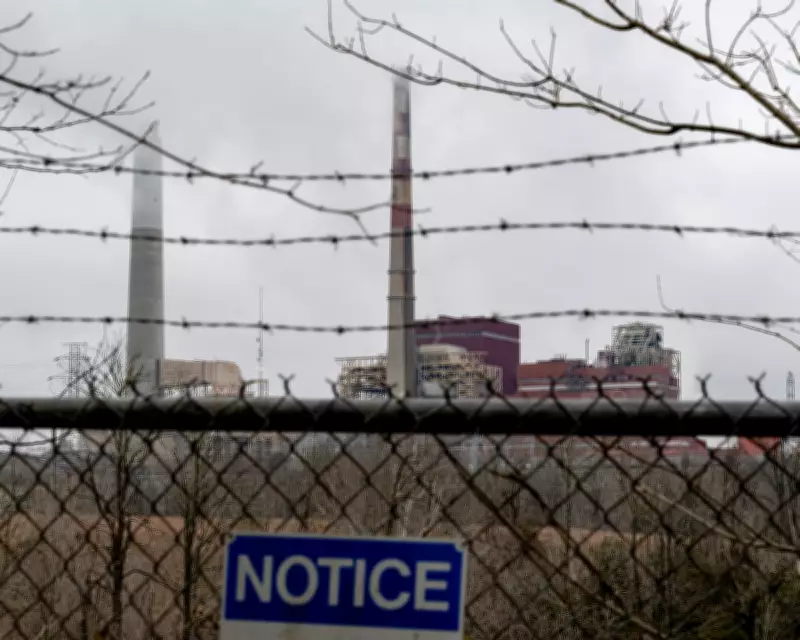
Trump's EPA Reversal Denies Climate Reality, Endangers Public Health
In a move that defies decades of scientific consensus, President Trump has announced the repeal of the Environmental Protection Agency's endangerment finding, which established that greenhouse gases threaten human health and welfare. This decision, made during a recent press conference, undermines the legal foundation for modern U.S. climate regulations and ignores the measurable impacts of the climate crisis on communities nationwide.
The Endangerment Finding: A Legal Keystone
Issued in 2009, the EPA's endangerment finding was based on extensive scientific evidence linking greenhouse gas emissions to extreme heat, intensified storms, rising sea levels, wildfires, and degraded air quality. This determination served as the legal keystone for regulating emissions under the Clean Air Act, enabling standards for vehicles, power plants, and industries. By erasing this finding, the administration is not only weakening environmental protections but also withdrawing official recognition of a danger that millions of Americans are already experiencing firsthand.
Consequences for Vulnerable Communities
The repeal disproportionately affects marginalized groups, particularly Black Americans, who are more likely to live near polluting infrastructure and suffer from higher rates of pollution-related illnesses. Environmental justice advocates warn that this move strips away a critical legal shield, leaving frontline communities exposed as climate risks intensify. For example, events like the Eaton fire in California, which destroyed over 16,000 structures, highlight how climate-driven disasters often hit those with the least resources the hardest.
Strategic Ironies and Economic Incentives
Trump's retreat from climate action carries strategic ironies, as it risks exacerbating migration pressures by ignoring how droughts, crop failures, and rising seas displace populations globally. Economically, the decision benefits polluters and oligarchs, with the administration actively supporting industries like coal-fired power through federal purchases. This not only denies the crisis but actively finances it, reflecting a pattern of evading responsibility for measurable harms.
Undermining Accountability and Future Protections
Without the endangerment finding, the government's response to climate harm shifts from enforceable obligations to moral duties, making it vulnerable to political discretion. This erasure could strip citizens and states of legal grounds to demand federal action during disasters. Despite court challenges likely ahead, the immediate impact is clear: fires, heatwaves, and floods continue unabated, while the terrain for seeking protection narrows.
Ultimately, Trump's decision is more than a policy change; it represents a refusal to fulfill the presidential duty to protect public health and safety in the face of documented dangers.



