
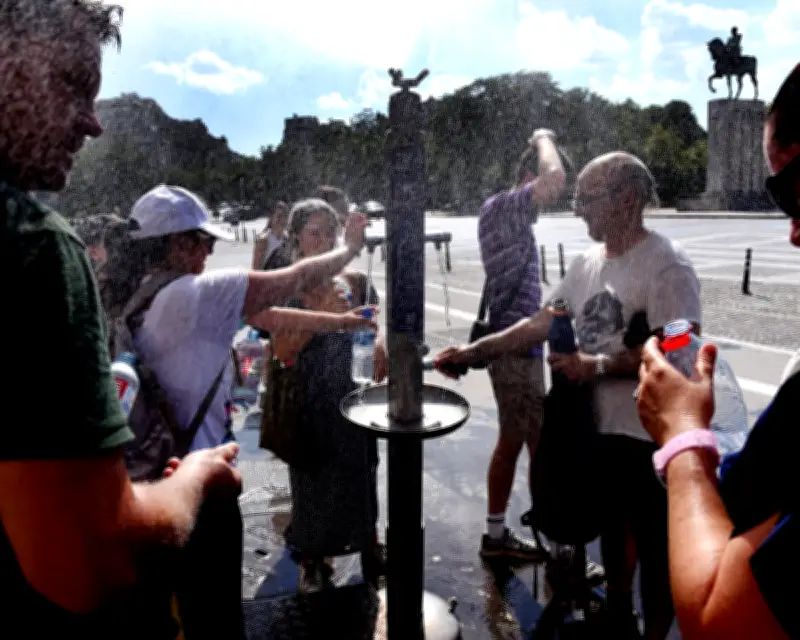
As temperatures soared past 40°C in Paris, authorities activated the city's red heatwave alert, banning alcohol consumption in public spaces during the Fête de la musique festival. Parks remained open all night, and cool islands—air-conditioned public buildings—offered refuge. These measures are part of France's four-level heatwave alert system, adopted after the devastating 2003 heatwave that killed approximately 15,000 people.
Four alert levels and local thresholds
France's system, managed by Météo France and local health authorities, sets specific alert thresholds for each department based on historical data, average temperatures, and hospital capacity. As of Tuesday, 54 of France's 96 mainland departments were under red alert, the highest level. The national weather service confirmed this was the hottest day since records began in 1947.
Local authorities consider factors such as expected temperatures, heatwave duration, nighttime cooling, planned events, and hospital capacity when determining restrictions. For example, the alcohol ban during the music festival aimed to prevent dehydration and heat-related incidents.
Long-term adaptation and political debate
Paris has been investing in long-term cooling measures: misting machines, water fountains, more cycle lanes, green spaces, and shadier school courtyards. In 2023, the mayor's office conducted a 50°C crisis planning exercise. Politicians have proposed various solutions: Marine Le Pen's National Rally advocates for better air conditioning in schools and hospitals, while Green candidate Marine Tondelier calls for a five-day heatwave sabbatical.
Despite political disagreements, the short-term response is clear. According to Helen Massy-Beresford, a British journalist in Paris, "the actions taken since 2003 do at least mean that decision-makers are better informed." However, criticism persists regarding drownings, heat-related deaths, and school closures highlighting infrastructure needs.
Lessons for Europe
France's regimented approach could serve as a model for other European countries facing more frequent extreme heat. The national public health agency's slogan, "Passons tous en mode canicule" (let's all switch to heatwave mode), reflects the necessity of adaptation. While outdoor alcohol bans may be unpopular elsewhere, the framework provides a structured way to protect citizens.



