Heatwave Intensifies Energy Poverty Crisis in Central Australia
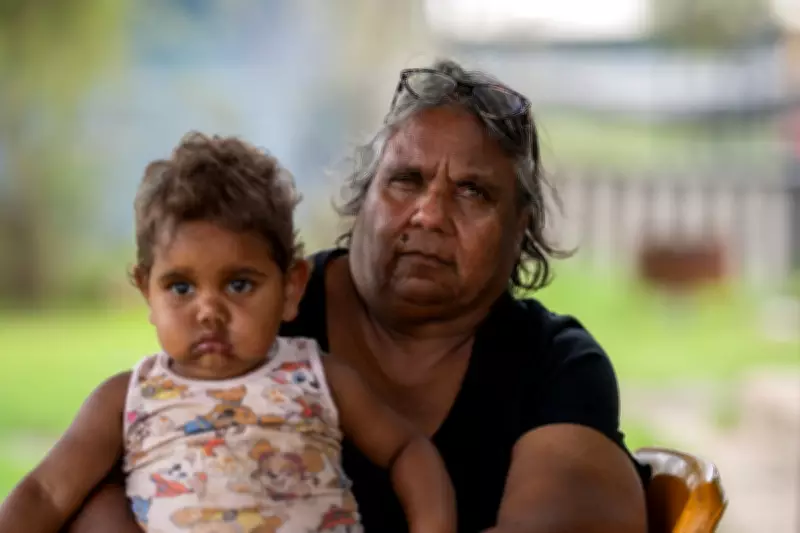
Vanessa Napaltjari Davis allocates seventy dollars weekly to her prepaid electricity card, but during the scorching summers of Alice Springs, that credit evaporates in less than seventy-two hours. Since summer began, Davis and her grandchildren have endured oppressive heat in their two-bedroom home, with temperatures in the southern Northern Territory soaring well above average, causing their single air conditioner to frequently shut off due to power disconnections.
'We Almost Had 40 Days Over 40'
"We almost had forty days over forty," Davis recounts. "I was struggling to keep on top of the power bill and keep my little grannies cool." Davis, an Arrernte and Luritja woman, resides with her granddaughter and two great-grandchildren in Nyewente, known locally as Trucking Yards, one of eighteen town camps encircling Alice Springs. Her state-owned home, like many in these camps, urgently requires upgrades, yet since the Northern Territory government installed a prepaid electricity smart meter several years ago, maintaining consistent power has become a daily battle.
"I usually put seventy dollars a week on my electricity when it's normal temperature, and it will last me until the next pay week," she explains. "But because of this extreme hot weather, that seventy dollars is only like two or three days." The Northern Territory has just recorded its tenth hottest January on record, with climate change projections indicating even more severe temperatures ahead. Alarming warnings suggest Alice Springs and surrounding central desert communities could become uninhabitable for humans due to escalating heat.
Prepaid Meters Lead to Frequent Disconnections
To sustain electricity, Davis must replenish her prepaid card at service stations or local groceries. When credit depletes, her home's power automatically disconnects, severing access to lighting, refrigeration, and cooling systems. She represents one of over sixty-five thousand Aboriginal people across the Northern Territory, South Australia, Western Australia, and Queensland who depend on prepaid electricity. A 2025 study by the First Nations energy justice organisation Original Power reveals these households endure an average of forty-nine disconnections annually—nearly one per week—due to unaffordable bills.
As the sole provider in one of Australia's most impoverished communities, Davis frequently confronts agonising decisions between maintaining power and purchasing food for her family. "What's more important, the electricity or food? But to us, they are both important," she states. "We need the electricity to keep the fridge cool for the food to be stored in. If we don't keep the electricity on then the food goes off, then a lot of people have to wait until their next payday to buy more food. This is the decision that we make every day, everybody."
Financial Strain and Health Risks Escalate
Davis provided a detailed breakdown of her power expenses since last winter. During June, July, and August, she paid a total of one thousand three hundred thirty-one dollars and twelve cents, attributed to cold winter nights. In September, October, and November, her costs amounted to nine hundred twenty dollars and sixty-four cents. For December and January, she has already expended six hundred sixty-three dollars and ninety-seven cents, experiencing over four power disconnections monthly due to insufficient funds for top-ups.
Extreme heat stands as the most prevalent cause of weather-related hospitalisations and fatalities in Australia, with Aboriginal communities particularly vulnerable due to scorching temperatures and substandard housing. Dr Simon Quilty, a physician with over two decades of experience in the Northern Territory and collaborator with Aboriginal housing collective Wilya Janta, emphasises that heatwaves prove "catastrophic to people's wellbeing" in the region. "What I started to notice in 2014 in Katherine was how many people were coming to hospital because of their terrible housing stock," he notes. "You would see a real uptick in admissions and very serious illnesses in the really hot months."
Government Responses and Advocacy Efforts
A spokesperson for Jacana Energy, the energy retailer supplying electricity across the Northern Territory, clarified that electricity prices are "regulated and subsidised by the Northern Territory Government." They acknowledged household electricity consumption "typically increases" during extreme temperatures, leading to faster depletion of prepaid credit, though tariffs remain unchanged. The spokesperson highlighted safeguards like emergency credit provisions, friendly credit periods, and the Stay Connected hardship program to assist customers.
Original Power's study yielded six recommendations, with the most urgent proposing a ban on power disconnections when temperatures reach forty degrees Celsius or higher. Lauren Mellor, co-director of Original Power's clean energy communities program, criticises governments for "dragging their heels" on implementing such bans. "Poor quality housing and a reliance on box air-conditioners in many First Nations communities cause families to spend more to keep homes at safe temperatures," Mellor asserts. "Prepayment customers already experience precarious energy access, so it's critical that governments and electricity retailers offer protection from disconnection on dangerously hot days."
A federal government spokesperson affirmed commitment to addressing energy poverty and supporting clean energy transitions in remote areas, thanking Original Power for their Right to Power report. Meanwhile, the Northern Territory government reported educational campaigns on power conservation, meter top-ups, and emergency credit usage, alongside pop-up stalls in remote communities disseminating information on concession schemes and energy-saving tips. They acknowledged prepayment meters' challenges but noted benefits for cultural mobility and household control, stressing that lasting solutions require collaborative regulatory changes.