
Unprecedented Rainfall Meets Declining Climate Urgency in Britain
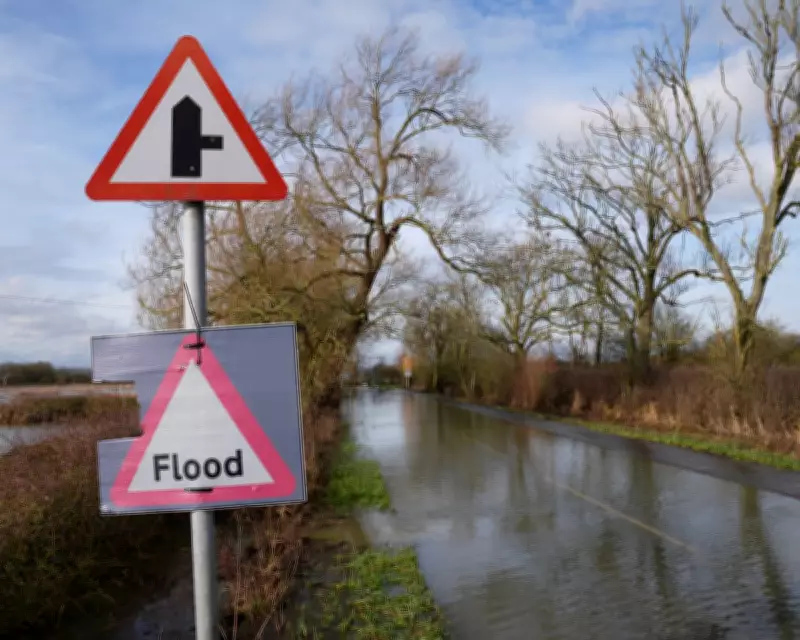
Some regions across the United Kingdom have endured relentless rainfall for forty consecutive days, with areas like Devon, Cornwall, and Worcestershire experiencing barely any respite from the downpours. This meteorological phenomenon echoes biblical proportions, yet it stems from contemporary climate realities rather than ancient narratives.
Record-Breaking Weather Patterns
January 2026 witnessed exceptionally high precipitation levels throughout the UK. Northern Ireland recorded its wettest January in 149 years, while southern England experienced its sixth wettest January since official records began in 1836. The Met Office attributes these extreme weather events directly to global heating, noting that very wet winters have transformed from once-in-80-year occurrences to events happening approximately once every two decades.
The Climate Policy Paradox
Despite the increasingly visible impacts of climate change, a comprehensive new study reveals a troubling decline in public support for net zero targets and climate policies across Britain. The research, conducted by the Policy Institute at King's College London in collaboration with Ipsos and the Centre for Climate Change and Social Transformations, indicates a significant shift in public attitudes.
Only 29% of respondents now advocate achieving net zero before the government's 2050 deadline, a dramatic decrease from 54% in 2021. Simultaneously, opposition to having any net zero target has nearly tripled, rising from 9% to 26% over the same period.
Economic Realities Trump Climate Concerns
Guardian environment editor Damian Carrington explains this apparent contradiction by highlighting current economic pressures. "How can you expect me to worry about the end of the world when I'm worried about the end of the week?" he quotes, capturing the sentiment of many struggling households.
The compounding effects of the Covid-19 pandemic, the Ukraine war, and the resulting energy price surges have created a cost of living crisis that pushes climate concerns to the background for many citizens. This pattern mirrors historical precedents, such as the decline in climate salience following the 2008 financial crisis after initial peak interest in 2007.
Policy Support Erodes Across Multiple Fronts
The study documents declining support for various specific climate measures:
- Low-traffic neighborhood initiatives
- Taxes targeting frequent flyers
- Subsidies for electric vehicle adoption
- Taxes on environmentally damaging food products
In several cases, opposition now outweighs support, representing a stark reversal from just a few years ago. The decline has been most pronounced among individuals aged over 55.
Political Polarization and Misinformation
The erosion of climate policy support coincides with significant political shifts. The previously broad consensus among British political parties regarding climate urgency has fractured, with Reform UK under Nigel Farage and the Conservative party adopting more skeptical positions. Conservative leader Kemi Badenoch has even pledged to repeal the Climate Change Act if her party wins the next election.
Climate measures have increasingly become embroiled in culture war debates, with policies like low-traffic neighborhoods and heat pump installations framed as infringements on personal freedom rather than environmental necessities. Misinformation compounds these challenges, with false narratives suggesting renewable energy development drives rising energy bills, despite evidence that gas price increases following Russia's invasion of Ukraine represent the primary factor.
The Fairness Imperative for Climate Action
Carrington emphasizes that rebuilding public support requires centering fairness in policy design. Britain's significant wealth inequality means climate measures requiring upfront investments—like heat pumps costing approximately £12,500 compared to £2,500-£3,000 for gas boilers—often feel inaccessible to lower-income households.
"Climate policies have to be affordable and fair for everybody, including people on lower incomes," Carrington argues. "When that's not happening, people will react against it."
Persistent Challenges and Remaining Hope
The UK faces particular obstacles in maintaining climate consensus due to its powerful fossil fuel industry, influential neoliberal economic traditions, and significant rightwing media presence. These forces complicate efforts to sustain public commitment even as climate impacts intensify.
Nevertheless, the study reveals that 64% of the public still supports achieving net zero by 2050 or earlier. The challenge moving forward involves not just preserving this baseline support but expanding it through policies that address both environmental imperatives and economic equity concerns.
As Britain navigates increasingly frequent flooding events and extreme weather patterns, the tension between immediate economic pressures and long-term climate commitments continues to shape public discourse and policy priorities in profound ways.



