
EPA Proposes Weakening Coal Ash Disposal Rules, Raising Pollution Concerns
The Environmental Protection Agency has proposed significantly weakening regulations governing the safe disposal of toxic coal ash, a move that environmental advocates warn could dramatically increase risks of water contamination and toxic waste exposure for communities near coal-fired power plants.
Rolling Back Environmental Protections
On Thursday, the EPA announced proposed revisions that would ease standards for monitoring and protecting groundwater near coal ash disposal sites. The changes would roll back rules requiring comprehensive cleanup of entire coal properties, instead allowing companies to address only specific areas where ash was directly dumped. Additionally, the revisions would facilitate easier reuse of coal ash for other industrial purposes.
These proposed changes represent a reversal of strengthened regulations implemented under the Biden administration, which had eliminated exemptions for older coal ash sites in 2024 as part of a broader crackdown on pollution from coal-fired power plants.
Industry Pressure and Environmental Concerns
EPA Administrator Lee Zeldin defended the proposal, stating it reflects the agency's "commitment to restoring American energy dominance, strengthening cooperative federalism, and accommodating unique circumstances at certain coal ash facilities." The coal industry has long argued that stringent regulations prematurely force coal plants into retirement by increasing operational costs.
However, environmental groups have raised serious concerns about the potential consequences. "The toxic metals and pollutants leach out into the surrounding waters," warned Nicholas Torrey, an attorney with the Southern Environmental Law Center. "That's the pollution threat that's happening every day."
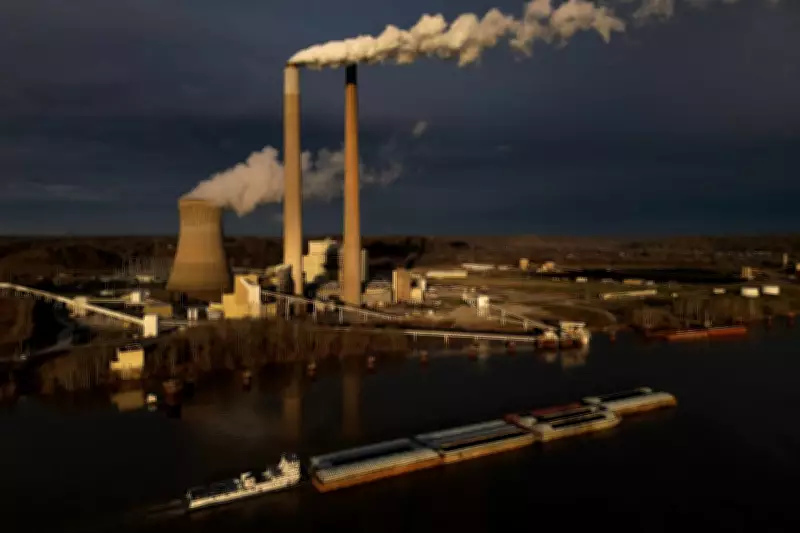
Coal ash, produced in tremendous quantities from burning coal, contains dangerous heavy metals that can contaminate groundwater when not properly stored. Many coal plants are strategically located along rivers and waterways, with waste ash often stored nearby.
Historical Context and Regulatory Evolution
The EPA first established coal ash disposal standards during the Obama administration, implementing requirements for companies to line new storage sites, monitor water quality, and close leaky ponds—often necessitating relocation of contaminated material. These regulations were prompted by environmental disasters, including a 2008 dike failure in Tennessee that spread coal ash over 300 acres and a 2014 spill of tens of thousands of tons in North Carolina.
Workers involved in cleanup efforts from these incidents have reported developing cancers they attribute to ash exposure, highlighting the serious health risks associated with improper coal ash management.
Broader Environmental Policy Implications
This proposal represents the latest in a series of efforts by the Trump administration to weaken clean air and water standards as part of regulatory relief for the fossil fuel industry. The move aligns with broader initiatives to boost domestic coal production while suppressing cleaner energy alternatives.
A coalition of coal and energy associations previously argued that expanded federal coal ash regulations "needlessly diverted funds from the power sector's efforts to meet the Nation's growing energy needs" while increasing costs without corresponding environmental or public health benefits.
Environmental advocates and community organizations continue to warn that weakened regulations could lead to increased dangerous pollutants contaminating water supplies and greater toxic exposure for populations living near coal facilities.



