
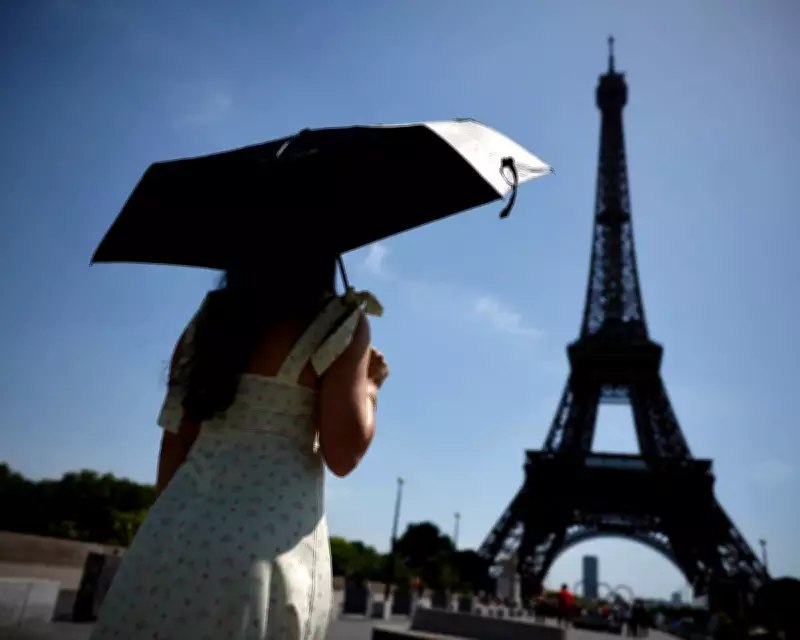
A deadly May heatwave has shattered temperature records across Europe, with extreme heat linked to dozens of deaths. Weather tracker data shows unprecedented temperatures across the continent, with several countries experiencing their hottest May days on record.
Record-Breaking Temperatures
The heatwave, which began in late May, saw temperatures soar above 40°C in parts of Spain, France, and Italy. In Spain, the city of Seville recorded 42.5°C, breaking the previous May record. France saw its hottest May day ever with 41.3°C in the southern town of Carpentras. Italy's capital, Rome, sweltered under 39°C, while Milan hit 38°C.
Health Impacts
The extreme heat has been linked to at least 30 deaths across Europe, with many more hospitalizations due to heatstroke and dehydration. Authorities in several countries have issued health warnings, urging people to stay hydrated and avoid outdoor activities during peak heat hours. In Spain, emergency services reported a surge in calls related to heat exhaustion.
Climate Change Link
Scientists say the heatwave is consistent with climate change, which is making extreme weather events more frequent and intense. According to the World Weather Attribution network, human-induced climate change made the heatwave at least five times more likely. The European Union's Copernicus Climate Change Service noted that May 2026 is on track to be one of the hottest on record globally.
Response and Adaptation
Governments across Europe are taking measures to adapt to the increasing frequency of heatwaves. In France, the government activated its heatwave plan, opening cooling centers and extending park hours. Spain's meteorological agency AEMET issued red alerts for several regions. Italy's civil protection agency urged regions to set up emergency response teams.
The heatwave is expected to persist into early June, with temperatures remaining above average. Experts warn that such events will become more common unless global emissions are reduced. The European Environment Agency has called for better urban planning and green infrastructure to mitigate the effects of extreme heat.



