
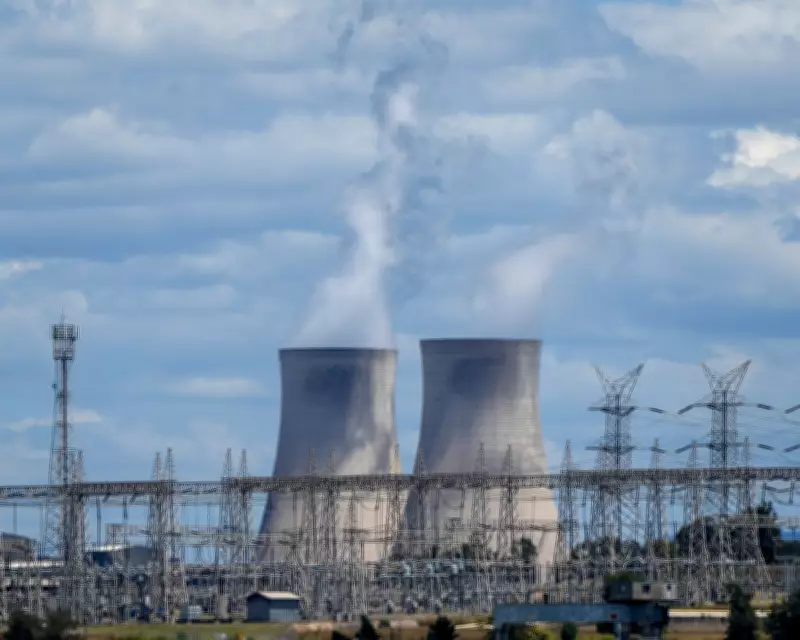
In the midst of escalating global climate concerns, a pivotal debate is resurfacing in Australia: the implementation of carbon pricing. Experts and environmental advocates are asserting that there has never been a more opportune time to revisit this policy mechanism, which aims to hold polluters accountable for their emissions. The core of the discussion revolves around whether the current Labor government possesses the political fortitude to enact such measures, despite potential economic and industrial pushback.
The Case for Carbon Pricing in Australia
Carbon pricing, often implemented through mechanisms like carbon taxes or emissions trading schemes, is designed to internalize the environmental costs of greenhouse gas emissions. Proponents argue that it provides a market-based incentive for industries to reduce their carbon footprint, fostering innovation and transitioning toward cleaner energy sources. In Australia, a nation heavily reliant on fossil fuels, this approach could play a crucial role in meeting international climate commitments and mitigating the impacts of climate change, such as extreme weather events and biodiversity loss.
Political Challenges and Labor's Stance
The Labor government faces significant political hurdles in advancing carbon pricing. Historically, similar policies have sparked controversy, leading to electoral backlash and fierce opposition from sectors like mining and manufacturing. Critics warn that imposing costs on polluters could result in job losses, higher consumer prices, and reduced competitiveness in global markets. However, supporters counter that the long-term benefits—including improved public health, environmental sustainability, and economic diversification—outweigh these short-term risks. The government's ability to navigate these tensions will be a key test of its commitment to climate action.
Global Context and Economic Implications
Globally, many countries have already adopted carbon pricing as part of their climate strategies, creating a shifting economic landscape. Australia risks falling behind if it fails to implement similar measures, potentially facing trade barriers or reduced investment in green technologies. Economists suggest that a well-designed carbon pricing system could generate revenue for reinvestment in renewable energy projects, job retraining programs, and community resilience initiatives. This could position Australia as a leader in the transition to a low-carbon economy, rather than a laggard.
Public Opinion and Future Prospects
Public sentiment in Australia is increasingly favoring robust climate policies, driven by growing awareness of environmental issues and the tangible effects of climate change. Surveys indicate that a majority of Australians support actions to reduce emissions, though opinions on carbon pricing vary based on its design and perceived fairness. The Labor government must balance this public demand with the practicalities of policy implementation, ensuring that any carbon pricing scheme is equitable and transparent. As the debate continues, the coming months will likely reveal whether political will aligns with environmental necessity, shaping Australia's climate legacy for years to come.



