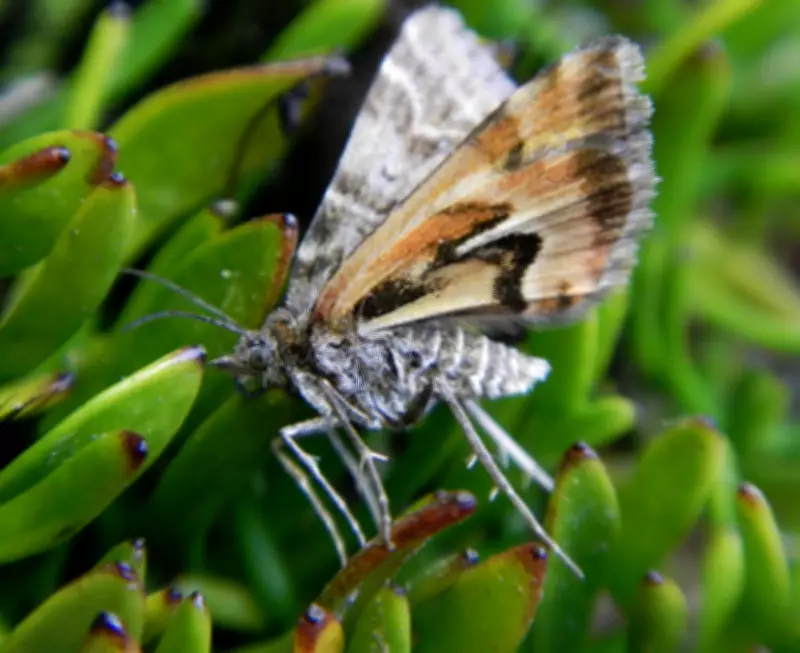
Avatar Moth Secures Prestigious Bug of the Year Title in New Zealand for 2026
In a captivating victory for entomology enthusiasts, a visually stunning moth species has been officially declared the Bug of the Year for 2026 in New Zealand. This remarkable insect, commonly referred to as the Avatar moth due to its vibrant and otherworldly appearance, triumphed in a public voting competition that celebrates the nation's rich insect biodiversity.
Distinctive Features and Ecological Significance
The Avatar moth, scientifically known as Nyctemera annulata, boasts wings adorned with brilliant blue and fiery orange patterns, making it a standout among New Zealand's insect population. This species is primarily active during daylight hours, which is unusual for many moths, and it plays a crucial role in local ecosystems as a pollinator. Its larvae feed on specific native plants, contributing to the health of New Zealand's flora.
The Bug of the Year competition, organized by the Entomological Society of New Zealand, aims to raise public awareness about the importance of insects and their conservation. This year's event saw record participation, with thousands of votes cast online, reflecting growing interest in environmental issues.

Conservation and Public Engagement
Experts emphasize that the Avatar moth's win highlights the need for ongoing conservation efforts to protect New Zealand's unique insect species from threats such as habitat loss and climate change. The competition serves as an educational tool, encouraging citizens to learn more about local wildlife and support biodiversity initiatives.
In recent years, New Zealand has faced challenges in preserving its native species, making campaigns like Bug of the Year vital for fostering community involvement. The Avatar moth's recognition is expected to inspire further research and conservation projects, ensuring that this and other insects continue to thrive in their natural habitats.