Winter Storms and Heatwaves: Extreme Weather Grips Continents
Extreme weather events are currently impacting multiple regions across the globe, with severe winter storms causing significant disruption in North America and record-breaking heatwaves affecting parts of Australia. These contrasting phenomena highlight the diverse challenges posed by climate patterns, leading to widespread consequences for communities and infrastructure.
Winter Storms Ravage Eastern North America
In the eastern United States, a series of intense winter storms have resulted in at least 49 fatalities over the past week, according to recent analyses. The cold weather has prompted extensive warnings, affecting an estimated 213 million people across a vast area stretching from New Mexico to New England, covering approximately 2,000 miles. Authorities have advised millions to remain indoors for safety, while power outages have left over a million households without electricity at the peak of the disruptions.
As of Wednesday evening, around 312,000 customers were still experiencing outages, with Tennessee, Mississippi, Louisiana, and Texas being the hardest-hit states. The storm system has also moved into eastern Canada, where Toronto's Pearson airport recorded a historic snowfall of 46 centimetres in a single day, breaking previous records. Downtown Toronto saw even higher accumulations, with 56 centimetres of snow measured on Sunday, causing travel delays and operational challenges.

Further winter storm watches and warnings have been issued for parts of the United States later this week, with forecasts predicting heavy snow accumulations of 10 to 20 centimetres in regions including North Carolina, east Tennessee, upstate South Carolina, Virginia, and north-east Georgia. These conditions are expected to persist from Friday afternoon through Sunday afternoon, posing ongoing risks to transportation and daily life.
Storm Kirstin Impacts Portugal
Meanwhile, in Europe, Storm Kirstin has brought severe weather to central and northern Portugal earlier this week. The storm unleashed heavy rainfall and powerful winds, leading to more than 3,000 weather-related incidents and resulting in five fatalities. A peak wind gust of 110 miles per hour was recorded at the Monte Real airbase in Leiria, accompanied by reports of flooding, landslides, and widespread damage to property and infrastructure.
On Wednesday, ten coastal areas were placed under a red weather warning due to dangerous sea conditions, with waves anticipated to reach heights of up to 14 metres. This has heightened concerns for maritime safety and coastal communities, emphasising the storm's far-reaching effects.
Record Heatwaves in South-Eastern Australia
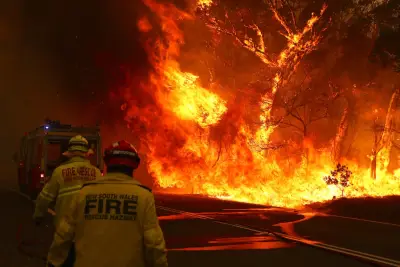
In stark contrast, south-eastern Australia is grappling with extreme heatwaves that have shattered temperature records this week. The southern states of Victoria and South Australia experienced scorching conditions, with temperatures soaring to 48.5 degrees Celsius on Sunday. In north-west Victoria, some towns recorded highs of 48.9 degrees Celsius, setting a new state record and exacerbating the already challenging environment.
The Bureau of Meteorology has issued warnings of "extreme fire dangers" as the hot and dry conditions combine with strong winds, creating a volatile situation for wildfire management. Firefighters in Victoria are actively combating several blazes, while emergency services have conducted door-knocking operations at approximately 1,100 homes and sent evacuation alerts via text message to 10,000 phones, urging residents to leave affected areas promptly.
This dual crisis of winter storms and heatwaves underscores the unpredictable nature of global weather patterns, with communities worldwide facing significant threats to safety, health, and infrastructure. As these events unfold, ongoing monitoring and preparedness remain crucial for mitigating impacts and ensuring public welfare.