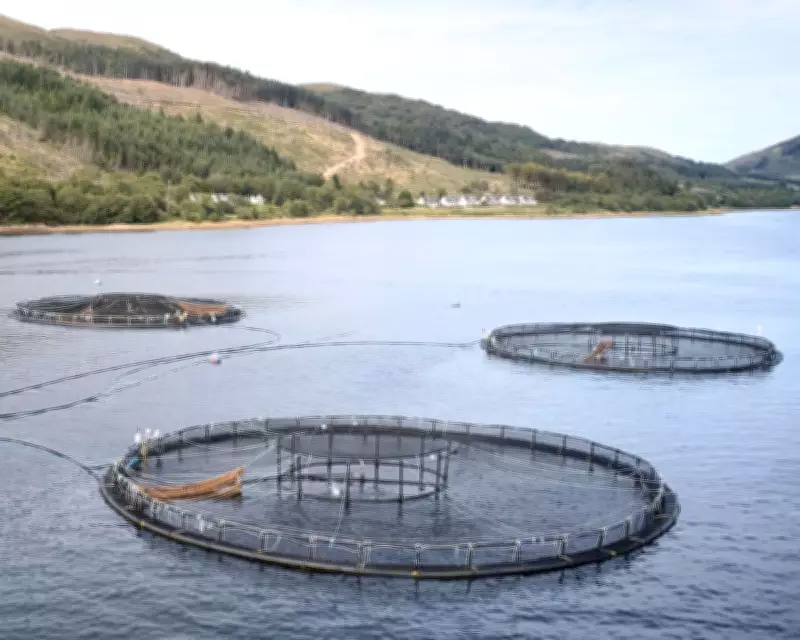
More than 15 million salmon died at fish farms in Scotland last year, according to data obtained by the Guardian, prompting animal welfare and environmental groups to call for a major regulatory review of the industry.
Record Mortality Rates
The figures, released by the Animal and Plant Health Agency (APHA) and the Information Commissioner's Office (ICO), show that mortality rates on Scottish salmon farms have reached record levels. In 2025, over 15 million fish died before reaching market size, representing a significant increase from previous years.
Salmon farmers attribute the deaths to a combination of factors, including rising sea temperatures, disease outbreaks, and lice infestations. However, critics argue that the industry's rapid expansion and intensive farming practices are the root cause.

Industry Response
The Scottish Salmon Producers Organisation (SSPO) acknowledged the high mortality rates but emphasized that the industry is working to improve fish welfare. "We are investing in new technologies and husbandry practices to reduce mortality and ensure sustainable production," a spokesperson said.
Nevertheless, environmental groups like the Salmon and Trout Conservation Scotland are calling for tighter regulations. "These figures are shocking and unacceptable. The Scottish government must urgently review its approach to aquaculture and enforce stricter standards," said the group's director.
Regulatory Scrutiny
The Scottish government has announced a review of the regulatory framework for fish farming, including the role of the Scottish Environment Protection Agency (SEPA) and the Food Standards Agency. The review will consider whether current rules are adequate to protect fish welfare and the environment.
"We take these figures very seriously," said a government spokesperson. "We are committed to ensuring that Scotland's aquaculture industry operates sustainably and responsibly."
The data also reveals significant regional variations, with some farms reporting mortality rates as high as 40%. The worst-affected areas include the Western Isles and the Shetland Islands, where warmer waters have exacerbated disease and parasite problems.
Animal welfare charities, such as the Scottish SPCA, have called for independent monitoring of fish farms. "There is a clear need for greater transparency and accountability in the industry," said the charity's chief superintendent.
The issue has also attracted attention from the UK government, with MPs on the Environment, Food and Rural Affairs Committee planning to hold hearings on salmon farming practices later this year.
As the debate intensifies, consumers are increasingly seeking out organic and sustainably-certified salmon, though such products represent a small fraction of the market. The majority of Scottish salmon is still produced using conventional methods, which critics argue prioritize profit over welfare.