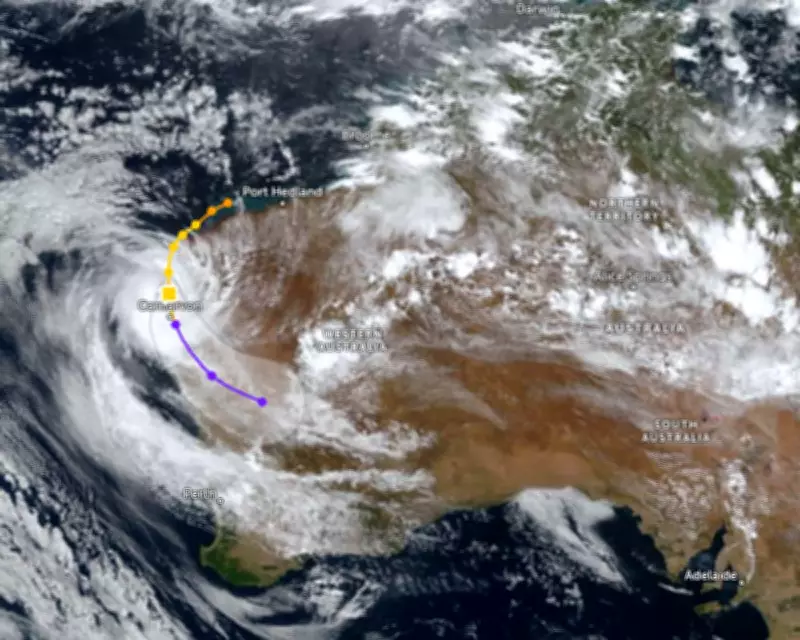
Tropical Cyclone Mitchell Makes Landfall in Western Australia
Tropical Cyclone Mitchell has struck the coast of Western Australia, unleashing a powerful onslaught of destructive winds, torrential rainfall, and extensive flooding across the region. The cyclone, which intensified rapidly before landfall, has prompted widespread emergency declarations and urgent evacuations as authorities brace for significant damage to infrastructure and communities.
Severe Weather Conditions and Immediate Impacts
The cyclone brought sustained winds exceeding 150 kilometers per hour, with gusts reaching even higher velocities, causing widespread power outages, downed trees, and structural damage to buildings. Heavy rainfall, totaling over 200 millimeters in some areas, has led to flash flooding, submerging roads and isolating remote communities. Emergency services, including the State Emergency Service and Australian Defence Force, have been deployed to assist with rescue operations and provide essential aid to affected residents.
Key areas impacted include coastal towns and rural settlements, where residents have been advised to shelter in place or evacuate to higher ground. The cyclone's path has disrupted transportation networks, with flights canceled and major highways closed due to flooding and debris. Local officials report that the full extent of the damage is still being assessed, but initial estimates suggest millions of dollars in losses to property and agriculture.
Response and Recovery Efforts Underway
In response to the crisis, the Western Australian government has activated disaster relief funds and established emergency shelters to accommodate displaced individuals. Meteorologists are closely monitoring the cyclone's movement as it weakens inland, but warn of continued heavy rain and potential for further flooding in the coming days. Residents are urged to stay informed through official channels and avoid unnecessary travel until conditions improve.
The event highlights the increasing frequency and intensity of tropical cyclones in the region, linked to broader climate patterns. Experts emphasize the need for enhanced preparedness and resilient infrastructure to mitigate future impacts. As recovery efforts begin, community support initiatives are mobilizing to provide food, water, and medical supplies to those in need.