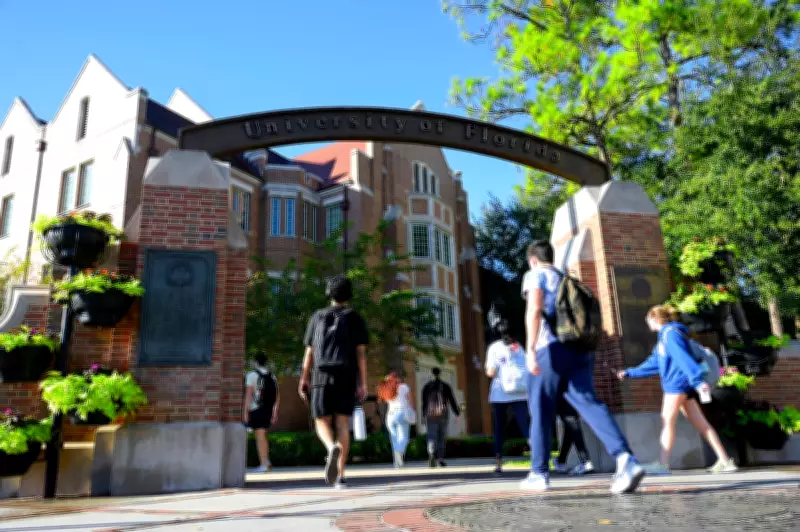
University of Florida Confronts Republican Lawsuit Over Controversial Social Media Content
A Republican organization has initiated legal action against the University of Florida, claiming the university infringed upon constitutional free speech protections by deleting a social media post from a student group that featured Nazi imagery. The lawsuit, filed in a federal court, asserts that the university's actions constitute censorship and violate the First Amendment rights of the students involved.
Details of the Controversial Post and Legal Claims
The disputed social media post, shared by a student Republican club at the University of Florida, included symbols and references associated with the Nazi regime. University administrators removed the post, citing violations of campus policies against hate speech and harassment. In response, the Republican group argues that the post was intended as political satire and protected under free speech doctrines, emphasizing that the removal sets a dangerous precedent for suppressing dissenting viewpoints in academic settings.
The lawsuit seeks a court order to reinstate the post and prevent future similar actions by the university. It also demands compensatory damages for alleged harm to the students' reputations and rights. Legal experts note that this case highlights ongoing tensions between free expression and campus conduct codes, particularly in politically charged environments.

Broader Implications for Higher Education and Free Speech
This incident at the University of Florida reflects a larger national debate over the boundaries of free speech on college campuses. Universities across the United States are grappling with how to balance the protection of offensive or controversial speech with the need to maintain inclusive and safe learning environments. The outcome of this lawsuit could influence policies at other institutions, potentially reshaping how social media content is regulated in educational contexts.
Supporters of the lawsuit contend that universities must uphold free speech principles, even for unpopular or offensive ideas, to foster open discourse. Conversely, critics argue that allowing such posts can create hostile environments for marginalized groups and undermine educational missions. The University of Florida has stated it will vigorously defend its actions, emphasizing its commitment to both free expression and community standards.
As the legal proceedings unfold, this case is poised to become a significant reference point in discussions about academic freedom, digital communication, and political expression in higher education. Stakeholders from various sectors are closely monitoring developments, anticipating potential impacts on campus policies nationwide.