Sudanese Students' UK Study Dreams Dashed by Visa Ban
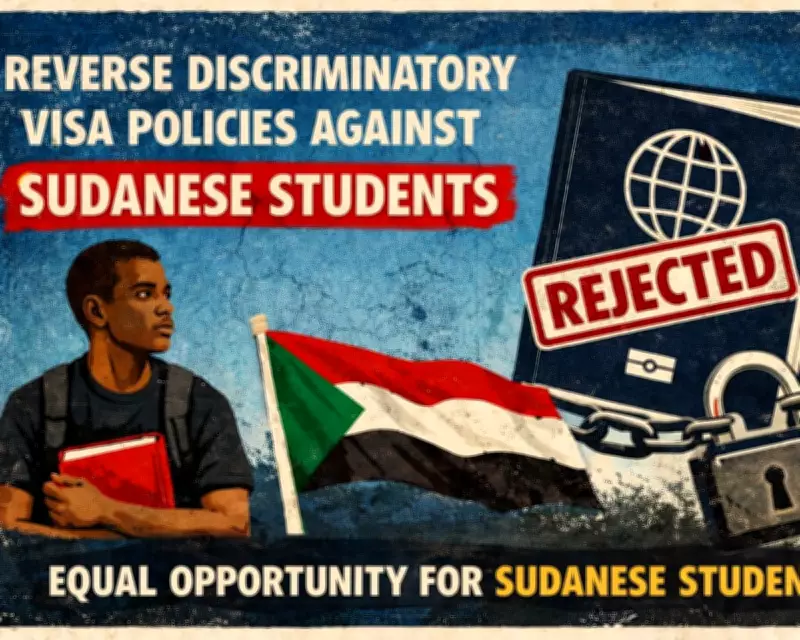
More than 200 Sudanese students fear their aspirations of studying at prestigious UK universities have been shattered following Home Secretary Shabana Mahmood's decision to suspend study visas for applicants from Sudan, Afghanistan, Cameroon, and Myanmar. This unprecedented move has left postgraduate and undergraduate hopefuls in limbo, with offers from 46 institutions, including Oxford, Cambridge, and Imperial College London, now in jeopardy.
Government Cites Asylum System Threat
The Home Office defended the suspension, stating that asylum claims by students from Cameroon and Sudan surged by more than 330%, posing an unsustainable threat to the UK's asylum system. A government spokesperson emphasized that study routes are being widely abused, creating a backdoor for asylum claims, necessitating this drastic action to prevent further exploitation across the migration system.
However, opponents argue this justification distorts reality. Data reveals that only 120 Sudanese students applied for asylum in the year up to September, out of over 110,000 total asylum claims. Critics label the ban as a blunt instrument that unfairly penalizes genuine scholars.

Personal Stories of Hardship and Hope
Wijdan Abdallah Salman Ahmed, a 38-year-old molecular biologist from Sudan, had secured a place for a master's in regenerative medicine at Queen Mary University of London and was under consideration for a Chevening scholarship. Displaced by war and having lost possessions, including her laptop, to attacks by the Rapid Support Forces, she described the policy change as a devastating shock. "After everything it took to reach that point – displacement, loss, and the struggle to stay connected – it felt as though years of effort collapsed due to a decision beyond my control," she said.
Ahmed clarified that Sudanese students are not seeking asylum or permanent settlement. "Most of us aim to gain knowledge, skills, and connections to rebuild and strengthen Sudan," she added, noting that Chevening scholars must return home for at least two years.
Campaign and Institutional Responses
In response, Sudanese students have launched a campaign to lobby the UK government to overturn the ban. They have identified 210 affected students, including 23 undergraduates, whose university offers are now uncertain. Mohamed Hisham Alamin, a medical doctor accepted for an MSc at Oxford, questioned the blanket approach. "A blanket ban is a blunt and counterproductive instrument," he stated, highlighting how he and colleagues planned to contribute to global health research after serving on Sudan's conflict frontlines.
The Chevening scholarship programme for the four countries has been closed indefinitely. The National Union of Students has urged the home secretary to reconsider, while Oxford University expressed serious concern and is working to clarify the implications.
The government reiterated its commitment to supporting Sudan amid conflict but maintained that exceptions cannot be made to prevent abuse of the migration system.