Nobel Laureate Richard Axel Resigns from Columbia Over Epstein Ties
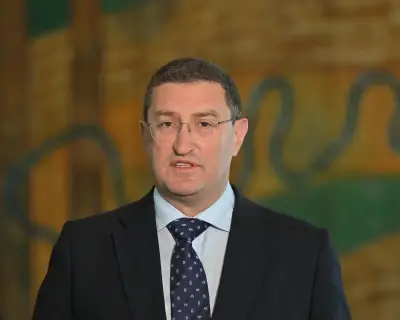
Dr. Richard Axel, a distinguished molecular biologist and Nobel laureate, has announced his resignation as co-director of Columbia University's prestigious Zuckerman Mind Brain Behavior Institute. This decision comes in the wake of revelations about his longstanding association with the late financier and convicted sex offender Jeffrey Epstein, as detailed in recently released documents.
Axel's Statement and Apology
In a statement issued on Tuesday, Axel expressed deep regret for his past connection with Epstein, describing it as a serious error in judgment. He apologized for compromising the trust of his colleagues, students, and friends, acknowledging the pain caused by Epstein's appalling conduct. Axel emphasized his commitment to focusing on research and teaching in his laboratory moving forward, stating that he will work to restore the trust he has lost.
Details from the Epstein Files
The latest publication of the Epstein files, which includes over 3 million documents, reveals a multi-year relationship between Axel and Epstein spanning from 2010 to 2019. Notably, this period extends beyond Epstein's 2008 conviction for soliciting prostitution from a minor. Axel's name appears more than 900 times in these records, according to previous reports by the Columbia Spectator.

Among the documents is a one-way ticket dated 30 December 2011, for Axel and his wife, Cornelia Bargmann, to St. Thomas in the Virgin Islands. This location is typically used as a departure point to reach Epstein's private island, Little St. James, via helicopter. However, the ticket was later voided, and a university spokesperson confirmed that Axel and his wife never visited the island.
Columbia University's Response
In a separate statement, Columbia University noted that it has found no evidence of Axel violating any university policies or laws. The institution expressed agreement with his decision to resign while recognizing his extraordinary contributions to the university, his dedication to students and colleagues, and his significant impact on scientific research.
Broader Implications for Higher Education
Axel's resignation is part of a larger trend as academic institutions across the United States confront the fallout from the Epstein files. Epstein cultivated extensive relationships within academia, leveraging his wealth and influence to connect with board members, professors, and administrators at prominent universities such as Harvard, UCLA, and Ohio State University.
Axel's Career and Additional Resignation
Axel, who has taught at Columbia for 53 years, won the Nobel Prize in Physiology or Medicine in 2004 alongside Linda B. Buck for their groundbreaking research on olfactory genes. In his statement, he also announced his resignation as an investigator at the Howard Hughes Medical Institute, a leading biomedical research organization, further underscoring the professional repercussions of this controversy.