Harvard Faculty to Vote on Proposal to Limit A Grades in Each Course
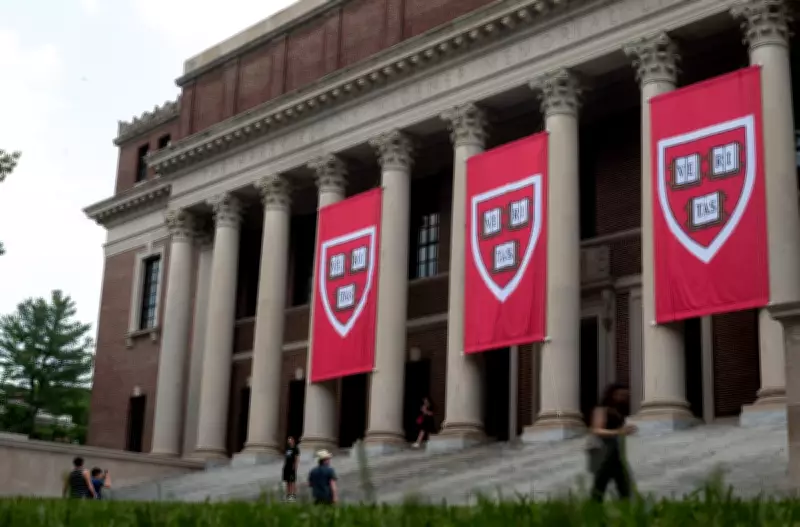
Harvard University's faculty is scheduled to vote next week on a proposal from a faculty committee aimed at curbing grade inflation by capping the number of A grades awarded in each course. The proposal, which would limit A grades to 20% of students in a course with an allowance for four additional As, has sparked significant debate, with most students opposing the measure due to concerns about heightened stress and intensified competition.
Details of the Grading Proposal
The proposal, first reported earlier this year by the Harvard Crimson, the university's student newspaper, includes the introduction of a new internal "average percentile rank" system. This system would rely on raw scores rather than grade point average (GPA) to determine honors and awards. If approved, the policy is set to take effect in the fall of 2027, according to the Wall Street Journal.
A document drafted by the university's subcommittee on grading of the undergraduate educational policy committee states that in November 2024, Amanda Claybaugh, the dean of undergraduate education, appointed a committee to investigate grading policies and alternatives. The proposal highlights that "the underlying problems with grading ramify in high levels of grade inflation," adding that over the last few years, "what was a merely quantitative increase in average course grade has become a qualitative failure of the grading process as a whole."

Student Opposition and Concerns
Student opposition to the proposed cap is strong, with a survey conducted by the undergraduate student government finding that about 94% of students oppose it. Many students worry that the cap would increase stress and foster unhealthy competition among peers. The Harvard Crimson's editorial board criticized the proposal in a February editorial, arguing that while grade inflation is an issue, "in its search for a cure, Harvard has missed the mark."
The editorial board contended that the proposed cap would "hinder Harvard's attempts to recenter academics by placing disproportionate emphasis on how students perform in relation to their peers." It also pointed to Princeton University's experience, where a similar policy implemented in 2004 was discontinued in 2014, suggesting that such caps can harm the collective pursuit of learning.
Faculty Perspectives and Mixed Reactions
Faculty opinion on the proposal appears more mixed. In February, the Crimson reported that faculty voiced "cautious support" for the measure, with more than a dozen faculty members welcoming the attempt to impose a systematic check on grade inflation. However, some faculty members expressed concerns that the cap could discourage students from enrolling in demanding courses and cautioned that it might pose a danger to faculty autonomy.
An internal report from Harvard's dean of undergraduate education, reported by the Wall Street Journal last fall, found that about 60% of grades during the 2024-25 academic year were As, up from approximately 25% in 2005-06. This data underscores the severity of grade inflation at the institution.
Broader Implications for Academic Rigor
The committee's proposal emphasizes that by encouraging faculty to use a wider spectrum of grades, it aims to design systems of assessment that align with learning objectives and provide more frequent and detailed feedback on student mastery. The editorial board argued that instead of comparative markers feeding competition, grades should form an incentive structure to push as many students as possible to achieve the highest bar of mastery.
As the vote approaches, the debate continues to highlight tensions between maintaining academic standards and addressing student well-being. The outcome could set a precedent for other universities grappling with similar issues of grade inflation and academic integrity.