Courts Rule Pro-Palestinian Speech Is Constitutionally Protected on US Campuses
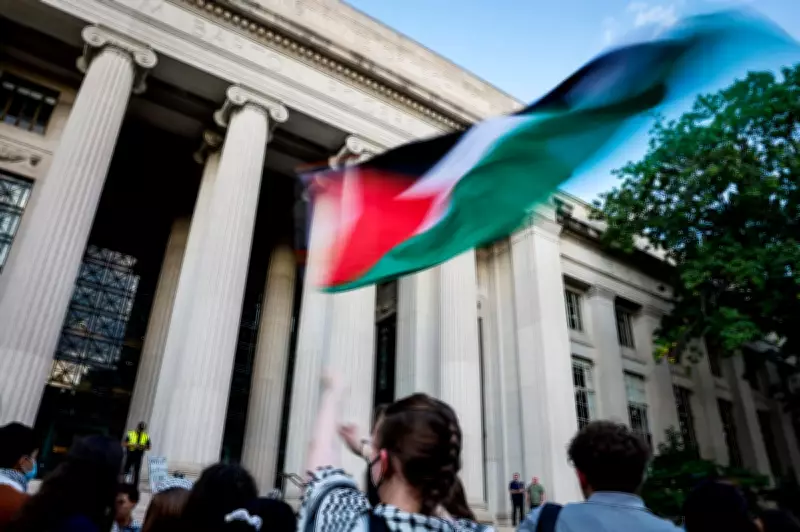
In a series of significant legal setbacks for pro-Israel groups, US courts have consistently affirmed that criticism of Israel and expressions of support for Palestine are protected under the First Amendment. These rulings, emerging from cases filed primarily since 2023 in response to protests over Israel's war in Gaza, challenge allegations that such speech constitutes antisemitism or violates the civil rights of Jewish students.
Key Rulings Shape Legal Precedent
Experts highlight that the most impactful decisions have established that phrases like "from the river to the sea, Palestine will be free" and "globalize the intifada" are protected speech. A panel from the First Circuit Court, in dismissing a lawsuit against MIT, emphasized that while plaintiffs may equate anti-Zionism with antisemitism, they cannot impose this view on others to suppress speech.
Radhika Sainath, an attorney with Palestine Legal, noted that these rulings are creating a body of law favorable to Palestinian rights. The courts have rejected claims that anti-Zionist speech is inherently antisemitic, with judges stating that comparisons of Israeli policy to Nazis or assertions that Israel is a racist endeavor are also protected.

Title VI Cases and University Responses
Five key cases reviewed by the Guardian, involving universities under Title VI of the Civil Rights Act, have largely found that institutions did not violate Jewish students' rights by allowing pro-Palestinian actions. Brian Hauss of the ACLU's Speech, Privacy, and Technology Project explained that these cases are pivotal in shaping how courts and universities understand the intersection of free speech and civil rights.
Despite these rulings, universities have faced pressure from the Trump administration, which has withheld funding over antisemitism concerns. In a lawsuit by Harvard, a judge criticized this as an ideologically motivated assault, highlighting the contentious political backdrop.
Context Matters in Legal Interpretations
While broad pro-Palestinian speech is protected, context can alter outcomes. For instance, a judge allowed a claim to proceed in the Cooper Union case where "from the river to the sea" was written in a font associated with Hitler's manifesto, citing potential intimidation. Similarly, protests that single out individuals, such as chanting at locked library doors, may not receive the same protection.
Tim Heaphy, a former US attorney, emphasized that speech in public spaces without targeting specific persons is generally protected, underscoring the importance of context in these legal battles.
Ongoing Legal and Political Challenges
Many of these rulings are under appeal, and the legal precedent is still evolving. Pro-Israel groups, like the Brandeis Center, continue to argue that criticism of Israel can violate civil rights, but courts have largely dismissed this, stating that political speech, even if offensive, is broadly safeguarded by the First Amendment.
Judges have expressed skepticism towards lawsuits demanding universities suppress differing viewpoints, as seen in a University of Pennsylvania case where the court found no evidence of antisemitic intent by the administration. These developments mark a significant blow to efforts using litigation to silence pro-Palestinian advocacy on campuses.