Jan Leeming Ignites Parenting Debate Over Public Behaviour
Former newsreader Jan Leeming has unexpectedly found herself at the centre of a heated discussion about child-rearing, after voicing strong opinions on how children should behave in public spaces. Her comments, which compared training children to training dogs, have sparked widespread controversy and reflection among parents and the general public alike.
The Controversial Comments
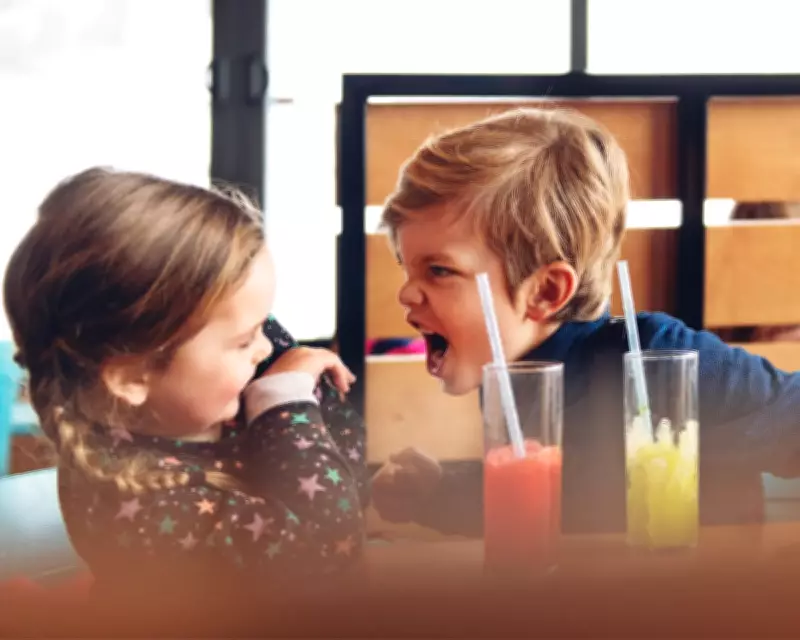
Leeming first expressed her views on social media, complaining that a friend's birthday lunch at The Pig at Bridge Place near Canterbury was "slightly spoiled by a screaming child." She elaborated, noting that the child was allowed to wander and scream while the parents appeared oblivious to other diners. On Times Radio, she doubled down, criticising parents who treat their children "like little princes and princesses" and allow them to "run riot." She asserted that children need to be trained to be socially acceptable, drawing a parallel with canine obedience.
Why Leeming's Points Resonate
Despite the backlash over her dog-training analogy, many agree with the core message. One of a parent's fundamental responsibilities is to teach their children not to be inconsiderate. Success in this area helps children grow into adults who can navigate social situations, build relationships, and understand they are not the centre of the universe. This training involves setting clear boundaries, such as expecting children to remain seated and quiet in restaurants, or removing them if they cannot comply.

It is crucial to acknowledge exceptions, such as neurodivergent children who may find it impossible to sit quietly. However, for most, learning appropriate behaviour is a key part of social development. This is not about enforcing outdated "seen and not heard" standards, but about fostering respect for shared spaces like trains, cinemas, and shops.
The Parental Perspective
What often goes unnoticed is that parents are typically the most desperate for their child to behave in public. They are acutely aware of the disapproving glances and silent judgments from others, feeling the pressure more intensely than the child does. This insight underscores why it is the parent's role to gently guide their children, teaching them to consider others in a world shared by billions.
Broader Social Implications
Leeming's comments highlight a wider issue of social etiquette in modern society. Adults who engage in inconsiderate behaviours, such as playing music aloud without headphones or failing to say thank you, may have been overindulged as children. A social experiment by Hannah Ewens, detailed in the Guardian, showed that many people simply lack awareness of how their actions affect others, responding positively when politely reminded. This suggests that, like untrained dogs, they are not inherently bad but need guidance.
Teaching children to share the world considerately is essential for a civilised society. As Leeming and others argue, it is a parental duty to instil these values early on, ensuring future generations are more mindful and respectful in public settings.