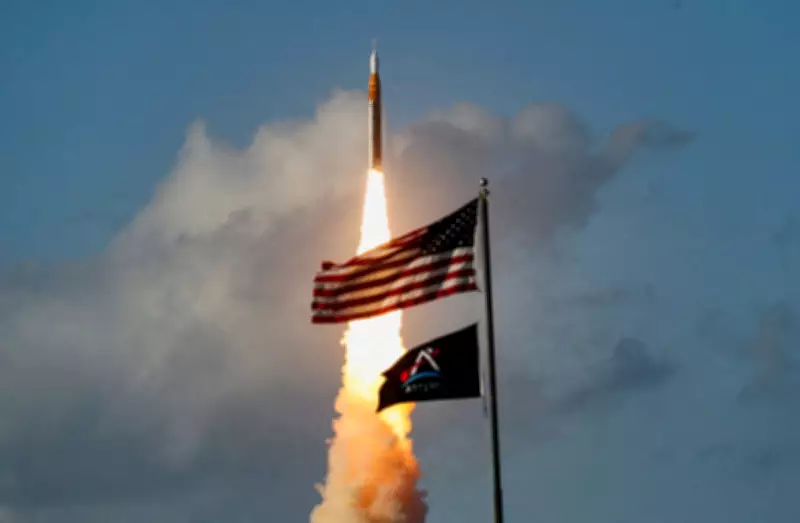
NASA's Artemis II Mission: A New Era in Lunar Exploration Begins
In a monumental step for space exploration, NASA has announced the Artemis II mission, scheduled for launch in 2026. This crewed flight represents the first human journey to the moon in over five decades, building on the success of the uncrewed Artemis I test. The mission aims to orbit the moon, testing critical systems and paving the way for future lunar landings under the Artemis program.
Historic Return to the Moon
The Artemis II mission is a pivotal moment in NASA's efforts to reestablish a human presence on the lunar surface. Unlike its predecessor, Artemis I, which was an uncrewed test flight, Artemis II will carry astronauts on a journey around the moon. This marks a significant milestone, as it will be the first time humans have ventured beyond low Earth orbit since the Apollo missions ended in the 1970s. The crew, yet to be fully announced, will include a diverse team of astronauts, reflecting NASA's commitment to inclusivity in space exploration.
Objectives and Technological Advancements
The primary goals of Artemis II are to validate the Orion spacecraft's life support systems, communication capabilities, and navigation in deep space. Key objectives include:

- Testing the spacecraft's performance with a crew on board in the harsh environment of space.
- Conducting maneuvers to enter and exit lunar orbit, ensuring safety for future missions.
- Gathering data on radiation exposure and other health risks for astronauts during extended space travel.
This mission leverages advanced technology, such as the Space Launch System (SLS) rocket and the Orion capsule, designed for long-duration missions. Success here is crucial for the planned Artemis III mission, which aims to land astronauts on the moon's surface by the late 2020s.
Implications for Future Space Exploration
Artemis II is not just a standalone mission; it is a stepping stone toward broader ambitions in space. By demonstrating the feasibility of crewed lunar orbits, NASA hopes to:
- Establish a sustainable presence on the moon through the Gateway lunar outpost.
- Use the moon as a testing ground for technologies needed for future Mars missions.
- Foster international collaboration, with partners like the European Space Agency contributing to the Orion spacecraft.
This mission underscores a renewed global interest in lunar exploration, with potential economic and scientific benefits, including resource mining and astronomical research.
Challenges and Preparations
Despite the excitement, Artemis II faces significant challenges. These include:
- Ensuring the reliability of new systems under real mission conditions.
- Addressing the logistical complexities of deep space travel, such as supply management and emergency protocols.
- Navigating budget constraints and political support, which have historically impacted space programs.
NASA is conducting rigorous simulations and tests to mitigate risks, with a focus on crew safety and mission success. Public and private sector investments are also playing a key role in advancing the necessary infrastructure.
In summary, the Artemis II mission represents a bold leap forward in human spaceflight. As preparations intensify, it symbolizes a renewed American commitment to exploring the cosmos, with implications that extend far beyond the moon, potentially shaping the future of interplanetary travel.