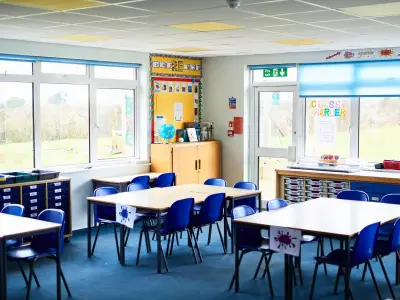
Classrooms across the United Kingdom are evolving, and a significant shift is now visible in the annual end-of-term Christmas performances. A growing number of schools are choosing to modernise their traditional shows, opting for mixed-faith retellings or festive productions that sometimes contain no religious themes at all.
Inclusion as the Core Principle
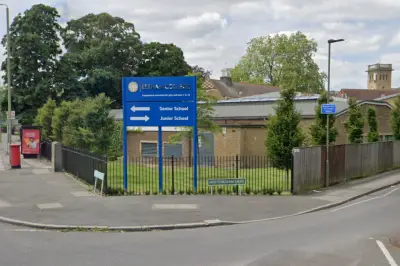
Supporters of this change argue that school productions must reflect the marked diversity found in 21st-century British classrooms. A prime example is the Oasis Academy Wattville Primary School in Birmingham, where the Christmas performance breaks from convention.
Children there dance with red flags, drum to festive rhythms, and use sign language to sing We Wish You a Merry Christmas in a show meticulously designed to include every pupil. Headteacher Renu Samuels states that inclusion is the absolute priority.
"It's not just about being a Christian country," she explains. "It's also about celebrating the richness of everything else around it and making sure that every religion, every culture, every belief is celebrated." The school's community speaks 52 different languages, with families and beliefs from across the globe.
Tradition and Tension in the Spotlight
However, this move away from the traditional nativity narrative has not been without controversy. Some institutions have faced fierce criticism. A school in Inverness, Scotland, was subjected to racist online abuse and consequently abandoned its alternative nativity, which included the story of a Syrian refugee.
Muhammed Ilyas, a parent at Oasis Academy Wattville Primary, believes this backlash reflects wider societal tensions. "Racism nowadays is a big problem in this country," he said. "Some far-right parties just want to create an environment that fuels it. We want to integrate in a positive manner, not a negative one."
Conversely, many schools are firmly maintaining tradition. At Malden Parochial Church of England Primary School in Worcester Park, south London, the nativity remains central. Headteacher Lucy McMullan emphasises the powerful messages within the Christian story itself, noting its inherent themes of inclusion.
"The day after Jesus was born, Joseph was told to flee to another country, so they instantly became refugees," she highlighted. Parents at the school, like Rachael and Sully, value this traditional approach, expressing concerns about politicising children's performances.
A Bishop's Perspective on Creativity
The Bishop of Stockport, Sam Corley, sees room for both tradition and innovation. Speaking to Sky News, he praised the creativity of teachers and children. "The nativity shows there's a place for all of us," he said. "It wasn't the rich and powerful who were there first. It was the poor, the outsiders, people who looked and spoke differently. It's a story of inclusion, peace, and joy, for the whole world."
This national conversation underscores a broader debate about identity, tradition, and representation in modern Britain, with school halls becoming a key arena where these values are performed and negotiated each December.