Teenagers Voice Mixed Reactions to Proposed Social Media Ban for Under-16s in UK
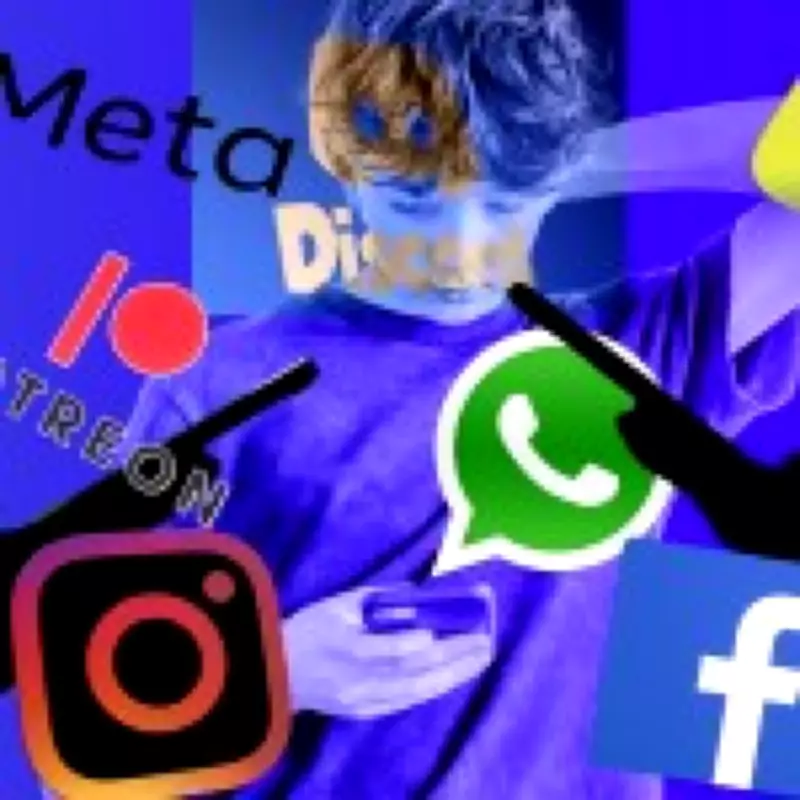
As government officials and online safety campaigners push for a social media ban for users under 16 in the UK, teenagers themselves are expressing deeply divided opinions on the potential policy. Metro spoke with eight teenage student ambassadors from the online learning platform SimpleStudy, revealing a complex landscape of concerns and benefits.
Educational Impacts and Personal Connections
Emily, a 15-year-old secondary school pupil from Manchester with autism, explains that social media platforms serve as crucial revision tools for her. 'If a social media ban happens, it will severely impact my grades but also how I interact with the world,' she tells Metro. For Emily, platforms like TikTok provide accessible learning alternatives when traditional school environments prove challenging.
Olivia, another teenager interviewed, acknowledges this educational value while recognizing potential mental health benefits of restrictions. 'I believe that the loss of social media could greatly impact the way many revise for exams,' she says, but adds that requiring users to be at least 16 'isn't necessarily a bad thing when it comes to mental health.'

Mental Health Considerations and Safe Spaces
The teenagers interviewed suggest that a ban represents an oversimplified solution to complex issues of online safety and wellbeing. Supporters of restrictions often cite social media's role in facilitating cyberbullying, peer pressure, anxiety, and predatory behavior. They frame the proposal not as an outright ban but as similar to age requirements for driving.
Rawiyah, a 15-year-old from London, emphasizes the importance of online spaces as safe havens. 'Social media can also act as a safe haven for many kids who cannot access physical resources such as therapists, counsellors or supportive family members,' she explains. 'For some children, online spaces are able to provide comfort, advice and, very importantly, a sense of belonging, especially with those dealing with mental health problems, bullying or isolation.'
This perspective gains particular relevance given that two-thirds of council-run youth centres have closed since 2010 and approximately 38 high street shops close daily across the UK. With mental health services increasingly strained, some teenagers are reportedly turning to AI-powered chatbots as makeshift therapeutic resources.
Social Connectivity and Alternative Approaches
Michaela, a 17-year-old from Dublin, argues that removing social media doesn't address underlying problems. 'Taking social media away doesn't take away the problems we deal with in school, at home, or in our heads,' she states. 'It just takes away one of the few places where we feel we can connect with people our age all across the world.'
Eva, a 17-year-old Londoner, presents a balanced view, acknowledging potential benefits of reduced phone access. 'Losing phone access could lead to feelings of isolation at first,' she admits, but suggests that 'a phone ban may encourage young people to talk more face-to-face, building their communication skills, which is helpful in the real world.' She also notes that 'a ban could reduce distraction in lessons, improving students' concentration levels.'
Current Usage Patterns and Legal Context
Social media penetration among UK youth remains extensive. Ofcom research reveals that nearly every young person in Britain uses social media, with 40% of children under 13 maintaining social media profiles and double that number owning mobile phones. Among 16-17-year-olds, 98% use social media apps, with 86% on YouTube and 83% on TikTok.
The debate occurs against a backdrop of increasing legal scrutiny of social media platforms. A recent California court ruling found that YouTube and Meta (parent company of Facebook and Instagram) harmed a young user through addictive design features like infinite scroll and algorithmic recommendations. While legal experts doubt similar cases will emerge in the UK soon, this ruling highlights growing concerns about tech giant accountability.

Teenagers Advocate for Education Over Prohibition
Magdalene, a 15-year-old from Monaghan, Ireland, represents those advocating for alternative approaches. 'Instead, we should focus on educating about responsible uses, creating safe spaces for support, as a lot of teenagers find solitude online,' she proposes. 'Empowering young people to manage their lives online thoughtfully helps build resilience and confidence, while a ban would limit opportunities for connections and growth.'
This perspective aligns with emerging trends among Generation Z embracing older technology like flip-phones and iPods, suggesting some young people are already seeking alternatives to constant social media engagement.
The teenagers' varied responses underscore that any policy addressing social media use among youth must consider multiple dimensions: educational utility, mental health impacts, social connectivity, and the reality of diminished physical community resources. As the debate continues, these young voices emphasize that solutions should be nuanced rather than simplistic prohibitions.