A letter from Robin Jenkins, a former school dinner manager in Hackney, London, offers a historical perspective on the government's current plan to ban unhealthy items from school menus. Jenkins describes the initiative as a 'killjoy option' that alienates headteachers and pupils, failing to promote healthy eating habits.
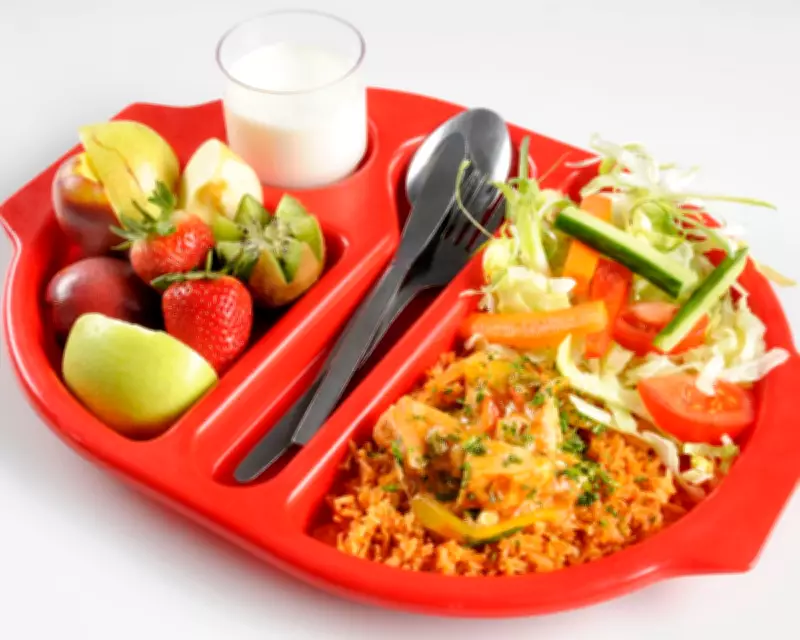
In 1985, Jenkins introduced self-service salad bars at the entrance of canteens in Hackney. The main opposition came from headteachers who doubted its feasibility and popularity. However, in primary and secondary schools where the idea was implemented, it proved highly successful. Pupils filled their plates with salad, leaving less room for less healthy items. An examination of food waste showed that the salad was mostly consumed.
An unexpected benefit emerged: the overboiled cabbage, often wasted, was replaced by coleslaw that retained all vitamins and minerals. This simple change reduced food waste and improved nutritional intake.

In a separate letter, Paul Flowers, a parent trustee at Carshalton Boys Sports College in London, highlights the success of in-house catering. The school has never outsourced its catering and its team effectively introduces teenage boys to lentils without corporate overheads or profit margins. Flowers encourages other schools to adopt this approach.
These examples demonstrate that practical, positive measures like self-service salad bars and in-house catering can foster healthier eating without bans or restrictions.