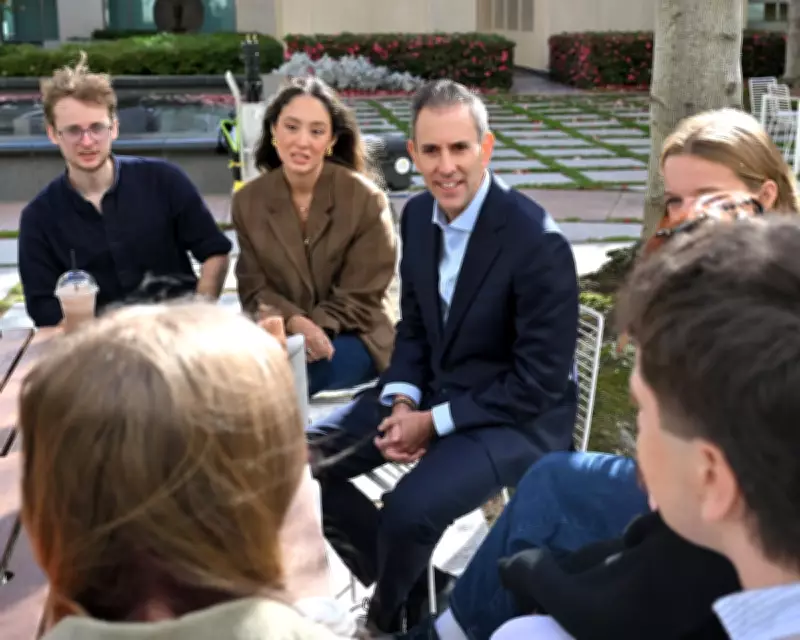
The federal budget was meant to address intergenerational inequality, but young Australians continue to bear the burden of soaring university fees under the Job-Ready Graduates (JRG) scheme. Treasurer Jim Chalmers rightly focused on tax and housing reforms to promote fairness, yet missed a crucial opportunity to reform higher education funding.
The Trifecta of Unfairness
Young Australians face a triple disadvantage in tax, housing, and education. While the budget tackled negative gearing and capital gains tax, it left intact the JRG package introduced under former Prime Minister Scott Morrison. This scheme has led to $52,000 arts degrees and threatens to saddle students with combined degrees costing up to $100,000, mirroring US-style debt burdens.
Education as a Golden Ticket
Education remains the most powerful driver of social mobility. An Australian National University study found that university graduates report higher life satisfaction, lower financial stress, and stronger support for democratic norms. At Western Sydney University, two-thirds of students are the first in their families to attend university, highlighting the transformative power of education across generations.

However, the JRG system acts as a tax on aspiration, creating a two-track system where only those with parental support can afford higher education. This disproportionately affects women, Indigenous students, and first-in-family learners, who are often channeled into the most expensive arts and humanities degrees.
Economic and Social Imperatives
The government's Australian Universities Accord aims for 80% of working-age Australians to hold tertiary qualifications by 2050, a target that could add $240 billion to the economy. Achieving this requires dismantling the JRG scheme, which currently hinders access and deepens inequality.
Beyond economics, education fosters social cohesion. The ANU study found that graduates are less susceptible to civic disengagement and misinformation. In an era of global turmoil, higher education serves as a buffer against social isolation and political extremism.
A Workable Remedy
A three-step proposal costing $1.917 billion annually could simplify the system and reduce arts degrees from $52,000 to $30,000. This investment pales in comparison to the $16 billion spent on reducing existing student debts by 20%.
With the budget window now closed, the government must act swiftly to address this key driver of intergenerational inequity before next year.