The AI Dilemma Facing Modern Educators
At thirty-nine years old, I embarked on a career transition into teaching English, aiming to guide young minds toward deeper literary connections and stronger critical thinking skills. With fifteen years of experience as a freelance writer and novelist, I felt prepared to offer valuable insights. However, as my training progressed, one overwhelming question dominated my thoughts: how should educators address the rapid integration of artificial intelligence into learning environments?
The Immediate Pedagogical Challenge
The core dilemma revolves around the accessibility of free online chatbots capable of producing fluid, complex prose on demand. This technological advancement sits atop longstanding educational questions about the purpose of schooling, effective teaching methodologies, and measurable success criteria. As a newcomer to the profession, grappling with these issues while simultaneously confronting AI felt akin to consuming caffeine during a panic attack—intensifying an already overwhelming situation.
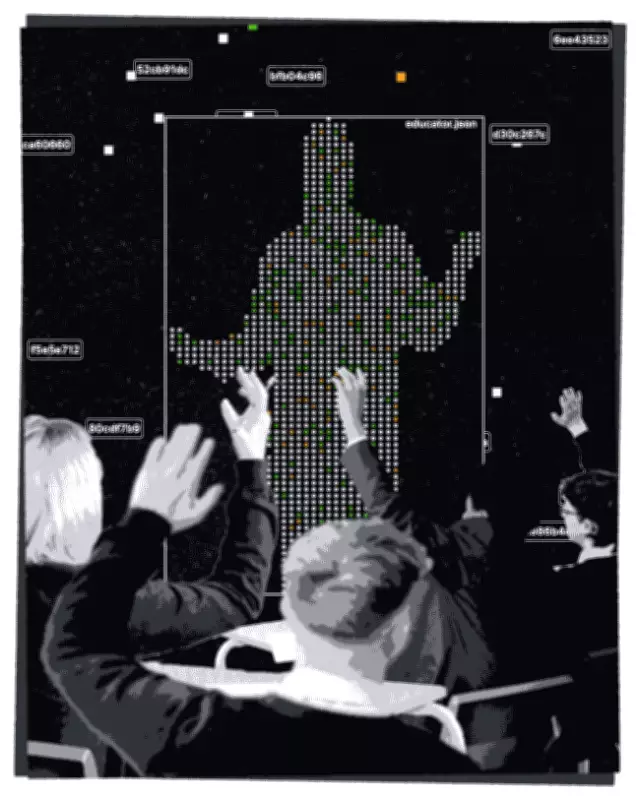
I began frantically consuming every available resource on AI and English instruction: pedagogical podcasts, specialized Substacks, and educational YouTube channels. My algorithmic feeds quickly adapted, flooding me with content—including relentless tech company advertisements—promising solutions to these urgent questions and assurances about doing right by students.

The Polarized Educational Landscape
This research revealed a deeply divided educational community. On one side stand the AI rejectionists: teachers and education experts who view artificial intelligence as an existential threat to classroom fundamentals. They argue that students must learn to navigate difficulty independently, developing complex arguments through friction-filled processes rather than seeking instant solutions. Rejectionists share alarming anecdotes about students submitting AI-generated papers they cannot discuss, citing hallucinated sources, and potentially dulling their reasoning faculties through overreliance on technology.
These educators raise ethical concerns about environmental costs, copyright violations, and corporate oligarchy, advocating for AI-free classrooms through handwritten in-class essays, oral examinations, and traditional assessment methods. Their goal is to create learning sanctuaries untouched by algorithmic influence.
Opposing them are the AI cheerleaders—not the extreme tech executives predicting education's demise, but thoughtful educators recognizing AI's pedagogical potential. They envision chatbots as personalized teaching assistants capable of providing immediate, customized feedback to every student simultaneously. From this perspective, rejectionists misunderstand technological possibilities and disadvantage students by withholding skills valuable for higher education and future careers.
Classroom Observations and Revelations
During fifteen weekly hours observing veteran teacher Emily in a Chicago suburban school, I witnessed AI's disruptive realities: fully generated papers, fabricated quotations, and tense conversations about academic integrity. Monitoring student screens through surveillance software revealed varied behaviors—some never used AI in class, others turned to it reflexively, and many encountered it unintentionally through search engine integrations.
Emily adapted by conducting most reading in class, often reading aloud—a response to what she identified as diminished baseline reading abilities among teenagers. This adjustment initially challenged my romantic teaching visions but ultimately revealed profound classroom magic. During shared reading of All Quiet on the Western Front, with devices stored away, students gradually transformed from reluctant participants to engaged literary explorers, connecting emotionally with century-old texts.
The contrast between AI-assisted struggles and device-free reading experiences felt stark and clarifying. Leading readings myself produced exhilarating moments that strengthened my rejectionist leanings. Yet summer reflections brought renewed uncertainty about writing assignments and unsupervised work periods.

Practical Experimentation and Internal Debate
Testing classroom-specific chatbots yielded disturbing and impressive results. While AI could now convincingly mimic student writing with requested errors and age-appropriate voice, some tools also provided genuinely useful feedback on drafts and assignments. This duality fueled internal conflicts between my rejectionist instincts and recognition of potential benefits.
I designed creative assignments—soundtrack selections for literary adaptations, satirical essays about personal identity—that produced delightful student work and meaningful engagement. Yet suspicions about home AI use persisted, alongside questions about whether trained chatbots might actually reduce cheating by providing approved guidance during unsupervised work.
Direct Classroom Conversations About AI
Open discussions with students revealed complex relationships with technology. While some expressed discomfort with AI, others described using chatbots for everything from flashcard generation to pet health advice. Nearly all acknowledged concerns about eroded original thinking, yet many described "responsible" usage patterns that fundamentally bypassed the cognitive work they claimed to value.
Student knowledge about AI mechanics proved surprisingly limited, with none able to explain text generation processes without assistance. This gap highlighted the importance of technological literacy alongside literary analysis. Future teaching will likely incorporate more direct examination of AI's societal implications, business models, and human impacts.
Finding Balance in an Impossible Profession
Freud described teaching as an "impossible profession" where definitive success remains elusive. This semester, I implemented largely AI-restricted approaches while acknowledging inevitable evolution. The greatest joy came from reading student stories inspired by Mark Twain's The Mysterious Stranger, where multiple writers independently connected Twain's deceptive Satan character to modern chatbots—an insight that had never occurred to me despite my rejectionist tendencies.
Grading these stories while resisting AI assistance offers in my own software reinforced core beliefs about writing as human connection across time and space. While some cheating undoubtedly escaped detection, classroom relationships and draft monitoring provided meaningful safeguards. The approach felt right for this semester, though future adaptations remain inevitable. Ultimately, teaching requires continuous navigation between technological possibilities and timeless educational values, between legitimate fears and reasonable hopes for student development in an increasingly automated world.