TV's Most Baffling Shows: The Head-Scratchers We Can't Stop Watching
In an era of endless streaming options, some television series stand out not for their clarity, but for their sheer, mind-bending confusion. From David Bowie reincarnated as a kettle to Reese Witherspoon venturing into space, these programmes leave viewers scratching their heads yet utterly glued to the screen. Our writers delve into the TV head-scratchers that defy logic but command unwavering attention, celebrating the weird and wonderful in modern storytelling.
The Chair Company: A Lynchian Puzzle
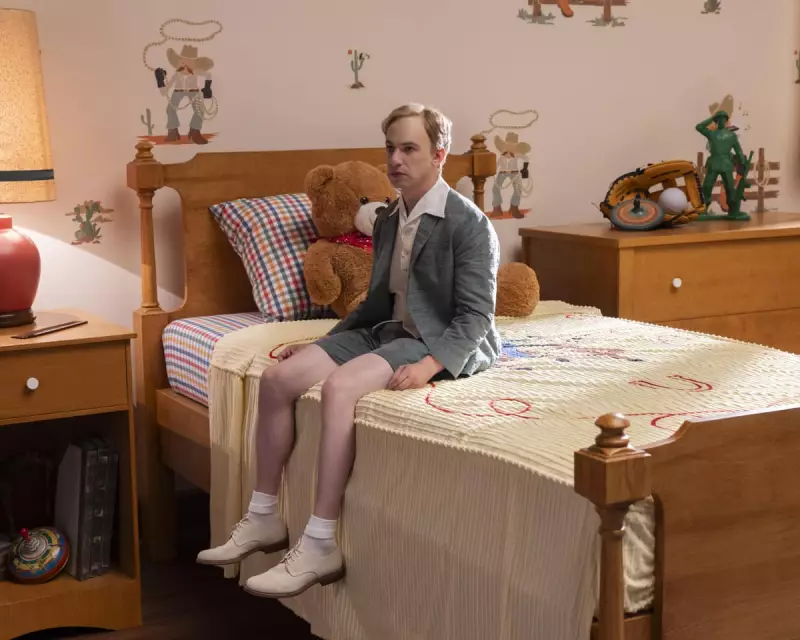
With a gun to my head, I couldn't accurately explain what The Chair Company is about. On the surface, it follows a man drawn into a conspiracy after a chair breaks beneath him, but beyond that, it's a wild ride into the absurd. Why does one character exclusively listen to recordings of men screaming? Why introduce a vampire that lures people with a brand-new shape? And why does the antagonist sport a baby's head? These questions remain unanswered, as the show revels in its Lynchian weirdness, making it the most baffling television I've ever adored—even after four viewings of Lost.
Industry: Finance Jargon and Fights
The finance jargon in Industry is impenetrable to outsiders like me. I can't decipher a single transaction on the trading floors, and when recapping the first season, I apologised repeatedly for having no idea what Harper does. Even with subtitles, the verbose dialogue feels exclusive, a world where only the wicked and wealthy, fluent in money, thrive. Co-creator Konrad Kay admitted terms like DV01 are financial gibberish, yet I'm addicted. I've learned to gauge the vibe—trouble, celebration, disaster—while waiting for the real payoffs: sex, drugs, and fights. It's like skipping to the picture pages in a book, but when chaos erupts at a Marie Antoinette party, for a moment, it all makes sense.
Twin Peaks: Surreal Mastery
I doubt even David Lynch could coherently explain Twin Peaks, where characters get trapped in doorknobs and David Bowie becomes a giant kettle. While I clung to the plot of the early 90s seasons, the 2010s revival left me entirely lost. Yet, this befuddlement is part of the fun, as wonderful, impossible images fly from the screen. At its heart, it's a simple story: a detective seeks justice for a murdered teenager. But along the way, pulsating brain trees and backwards-talking little people keep viewers on their toes, creating a primal, moving experience.
House of the Dragon: Name Game Chaos
House of the Dragon makes Game of Thrones seem straightforward by comparison. With characters sporting nigh-identical names and families distinguished only by hair colour, it's a GCSE history lesson on steroids. Is Paddy Considine the mad king? Has the mad king even appeared yet? The questions pile up: why do families invent one preposterous name, then tweak it for their offspring? And must we remember dragons with no traits beyond likes fire? Thank goodness for Jace Velaryon—until you learn he's actually Jacaerys. This show is a beautiful, frustrating mess.
Lost: Baffling Yet Thrilling
I was fully invested in Lost, watching seasons back-to-back until I feared the Others were after me. The reveal of the Hatch was thrilling, and I'll never forget the code 4 8 15 16 23 42. From the start, it was a baffling ride: black smoke monsters, the Dharma Initiative, polar bears, and a giant Egyptian foot statue. The island cured ailments and time-travelled via a frozen wheel—none of it hung together, but I loved letting it wash over me. Even the polar bears.
The Morning Show: Glossy Rot
Why is Reese Witherspoon in space? Why is Julianna Margulies so evil? The Morning Show started as a sharp #MeToo drama but devolved into fabulous rot. Now, it's all surface—smouldering affairs and billionaire-esque settings—with storylines about AI and Iran's nuclear programme that are best not overthought. You could see it as a comment on news vs. sexy content, but it's more enjoyable to luxuriate in the comical overreach like a luxury bath oil.
The Rehearsal: Meta-Reality Mayhem
Nathan Fielder's The Rehearsal takes absurdity to new heights. With a premise of rehearsing difficult conversations on elaborate sets, it quickly spirals into meta-narrative chaos. Actors unknowingly surrender to the Fielder Method, stalking real people to adopt their personas. In a heartbreaking finale, a child actor believes Fielder is his father. Fielder is disarmingly honest about making it up as he goes, leaving viewers baffled by the subterfuge. Season two's attempt to reduce plane crashes ends in a loop-throwing finale that makes you question normal television forever.
Scandi Noirs: Moody Mysteries
The Killing, Borgen, and The Bridge defined a Scandi-noir golden age, captivating with exoticism. The language is a tantalising riddle, subtitles essential but fun when familiar phrases emerge. The aesthetic—snow crunching under boots, delightful knitwear, icy conversations—often overshadows the plot. What's actually happening? Hmmm, good question. But Sarah Lund will sort it out, so just enjoy the vibe.
These shows prove that sometimes, the most baffling television is the most compelling, inviting us to embrace the weird and wonder: What did I just watch?