The world of theatre and literature mourns the loss of Sir Tom Stoppard, the playwright of dazzling wit and playful erudition, who has died at the age of 88. With a career spanning over six decades across stage, screen, and radio, his body of work remains a testament to his unique intellect and creative spirit.
A Fitting Tribute: Stoppard's First XI
In honour of Stoppard's well-documented love for cricket, it seems only fitting to select a First XI of his most significant works, mirroring a cricket team's lineup. Each piece, like a player in a team, has the power to change the game.
The Stage Classics
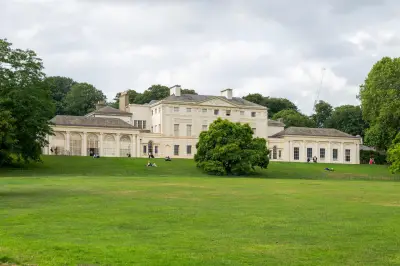
Arcadia (1993) stands as one of Stoppard's most complex and admired plays. It moves between an English country house in the early 19th and late 20th centuries, weaving together themes of literature, architecture, mathematics, and physics to explore the elusive nature of historical truth.
Rosencrantz and Guildenstern Are Dead (1966) was the play that catapulted Stoppard to fame. Taking two minor characters from Shakespeare's Hamlet, he placed them centre stage in a brilliant meditation on chance and mortality, beginning with an iconic coin-tossing scene that defies probability.
The Real Thing (1982) marked Stoppard's first major play set in contemporary England. A self-reflective West End comedy, it uses a play-within-a-play structure to delve into the nature of truth in love, politics, and art, famously employing the metaphor of a cricket bat to make its point.
Cinematic and Television Triumphs
Brazil (1985), co-written with Charles McKeown for director Terry Gilliam, is a brilliant satirical sci-fi film set in a bureaucratic dystopia. It perfectly captures a distinct Stoppardian tone, blending Kafkaesque unease with Pythonesque humour.
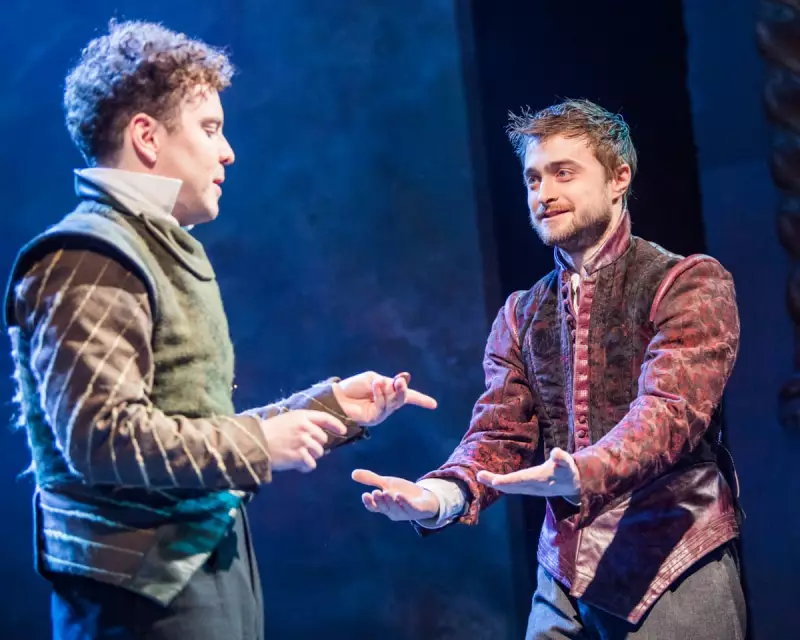
Shakespeare in Love (1998) earned Stoppard an Oscar (shared with Marc Norman) for its exuberant imagining of the young Bard's life. Filled with boorish producers and preening actors, it serves as a witty, four-centuries-removed autobiography of a dramatic career.
After a three-decade break from television, Stoppard returned with Parade's End (2012), a masterful adaptation of Ford Madox Ford's novel sequence. Set before and during the First World War, it features a standout performance from Benedict Cumberbatch as the emotionally wounded aristocrat Christopher Tietjens.
Personal Reflections and Radio Gems
Rock'n'Roll (2006) and Leopoldstadt (2020) form a powerful diptych of alternative Stoppard biographies. Rock'n'Roll imagines his life if his family had not fled Czechoslovakia, while the later Leopoldstadt confronts his late-life discovery of his fully Jewish heritage and the Holocaust that claimed his grandparents.
Demonstrating his commitment to the medium, Stoppard chose a BBC radio commission over a Hollywood film, resulting in works like The Dog It Was That Died (1982). This radio play about a confused secret agent showcases his talent for manic punning and intricate sound design.
From the philosophical debates of Professional Foul (1977) to the Russian intellectual exile in The Coast of Utopia (2002) and the Agatha Christie parody of The Real Inspector Hound (1968), this First XI merely scratches the surface of a monumental career that has forever enriched British culture.