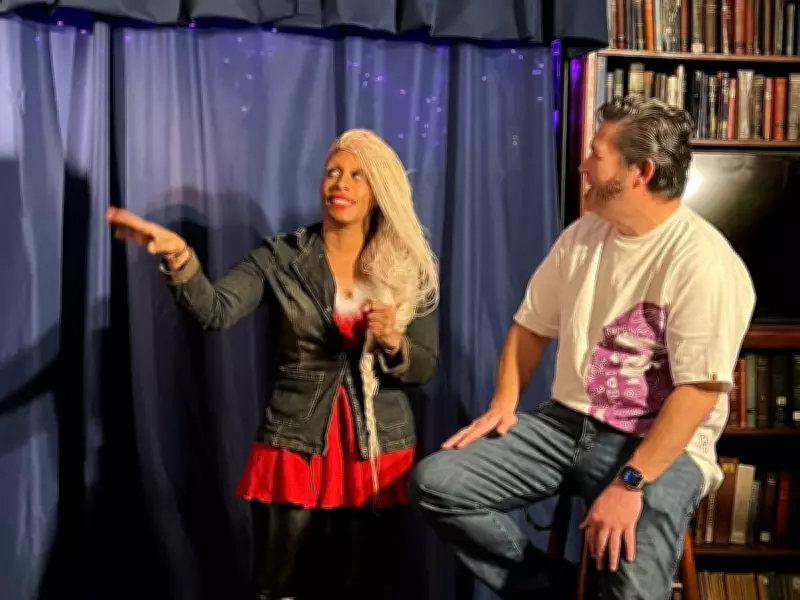
In the United States, the arts community is increasingly becoming a focal point of political resistance, particularly in response to attacks from former President Donald Trump. This movement, often termed "resistance theatre," represents a significant cultural shift as artists and performers use their platforms to challenge and critique political rhetoric and policies.
The Rise of Resistance Theatre in the US
Resistance theatre has emerged as a powerful form of expression within the American arts scene. It encompasses a wide range of performances, from plays and musicals to street art and digital media, all aimed at opposing what many in the arts view as authoritarian or divisive tendencies in Trump's rhetoric. This trend is not merely about entertainment; it serves as a vital outlet for political dissent and social commentary, reflecting broader societal tensions.
Trump's Attacks on the Arts Community
Donald Trump's tenure and subsequent political activities have included numerous criticisms of the arts, often labelling them as elitist or unpatriotic. His attacks have targeted funding cuts to cultural institutions, disparaging remarks about artists, and attempts to politicise artistic expression. These actions have galvanised the arts community, leading to a more unified and vocal opposition that transcends traditional artistic boundaries.
Impact on Cultural and Political Discourse
The response from the arts community has had a tangible impact on both cultural and political discourse in the US. Resistance theatre has sparked public debates about freedom of expression, the role of art in society, and the intersection of politics and culture. It has also inspired other sectors to engage in similar forms of protest, highlighting the arts' influence in shaping national conversations.
Challenges and Future Prospects
Despite its growing prominence, resistance theatre faces challenges, including potential backlash from political supporters of Trump and financial pressures due to reduced funding. However, many artists remain committed to this movement, viewing it as essential for preserving democratic values and artistic integrity. The future of resistance theatre will likely depend on ongoing political developments and the community's ability to adapt and innovate in its methods of expression.
In summary, the US arts community's engagement in resistance theatre marks a critical juncture in the relationship between culture and politics. As Trump's attacks continue, this form of artistic resistance is poised to remain a key element of the national dialogue, underscoring the enduring power of the arts to confront and challenge political authority.