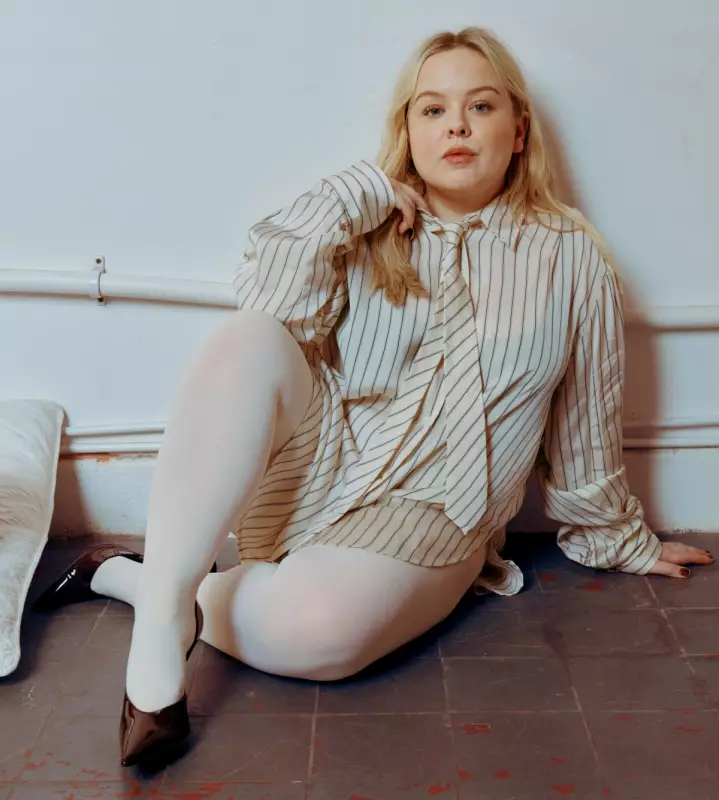
Nicola Coughlan, the Irish actor who has captured hearts on both sides of the Irish Sea, is navigating a unique moment in her career. Best known for her role as the witty Clare Devlin in Derry Girls and the beloved Penelope Featherington in Netflix's global phenomenon Bridgerton, Coughlan is using her platform to speak out on issues close to her heart, all while managing the intense spotlight of modern fandom.
From Derry to the Ton: A Career Forged in Authenticity
Coughlan's rise to fame was not an overnight sensation. Her breakout role in Lisa McGee's hit Channel 4 sitcom Derry Girls established her as a master of comedic timing and heartfelt performance. The show, set in 1990s Northern Ireland during the Troubles, resonated deeply for its authentic portrayal of teenage life against a complex political backdrop. This experience, Coughlan suggests, laid a foundation for her understanding of storytelling's power to connect with audiences on a profound level.
Her transition to the lavish world of Bridgerton showcased her versatility. As Penelope Featherington, the sharp-witted wallflower who leads a secret life as the scandal sheet author Lady Whistledown, Coughlan brings depth and vulnerability to a character navigating the strict social hierarchies of Regency London. The role has catapulted her into international stardom, a shift she acknowledges with a mix of gratitude and clear-eyed realism.
Activism and Using Her Voice
Beyond the screen, Nicola Coughlan has been notably vocal about her political and humanitarian convictions. She is a staunch supporter of Palestinian rights and has been involved in fundraising efforts for humanitarian aid in Gaza. This activism is not a separate part of her life but an integral one, reflecting a belief that public figures have a responsibility to advocate for causes they believe in.
She has also been open about the pressures and occasional backlash that can come with such visibility. In interviews, she discusses the importance of staying informed and the personal cost of engaging in public political discourse, especially on polarising issues. For Coughlan, silence is not an option when she sees injustice, a principle that guides her both on and off the set.
Navigating the Parasocial Landscape
A significant part of the conversation with Coughlan revolves around the nature of contemporary fame, particularly the concept of parasocial relationships. These are the one-sided emotional connections fans can develop with celebrities they feel they know through their screen personas.
Coughlan speaks thoughtfully about this dynamic. She expresses genuine appreciation for the support and passion of her fans, which has been a driving force behind the success of her projects. However, she also highlights the strange and sometimes unsettling aspects of this modern fan culture. The line between the actor and the character can blur in the public eye, leading to expectations and assumptions that don't align with reality.
She addresses the challenge of maintaining personal boundaries while being a public figure who owes her career to audience support. It's a delicate balance between gratitude for the platform and the need to protect her own identity and mental wellbeing from the intense, and often invasive, scrutiny that comes with mega-franchises like Bridgerton.
Looking Forward: Art, Advocacy, and Authenticity
As she looks to the future, Nicola Coughlan's path seems set to intertwine compelling artistic projects with continued advocacy. She represents a new generation of actors who are unafraid to be multifaceted—equally committed to their craft and their convictions.
Her journey from the streets of Derry to the ballrooms of the Ton is more than a career trajectory; it's a narrative about using one's voice with purpose. Whether she's delivering a punchline, portraying a secret romance, or speaking at a rally, Coughlan's work is defined by a commitment to authenticity and empathy. In an industry and a world often dominated by curated images, her willingness to be genuinely, complexly herself may be her most powerful role yet.