From Broadway Failure to Tony-Winning Triumph
The journey of Stephen Sondheim's Merrily We Roll Along stands as one of theatre's most remarkable redemption stories. When the musical premiered on Broadway in 1981, it faced brutal reviews and empty seats, forcing its closure after just two weeks. Yet against all odds, this same production has now completed a successful year-long Broadway run, won four Tony Awards, and earned critical acclaim four decades later.
The Evolution of a Theatrical Masterpiece
Based on the 1934 play by George S. Kaufman and Moss Hart, Merrily We Roll Along tells its story in reverse chronological order. The narrative follows composer and film producer Franklin Shepard as he reflects on his life, tracing the dissolution of his creative partnership with dramatist Charley and their friendship with novelist Mary.
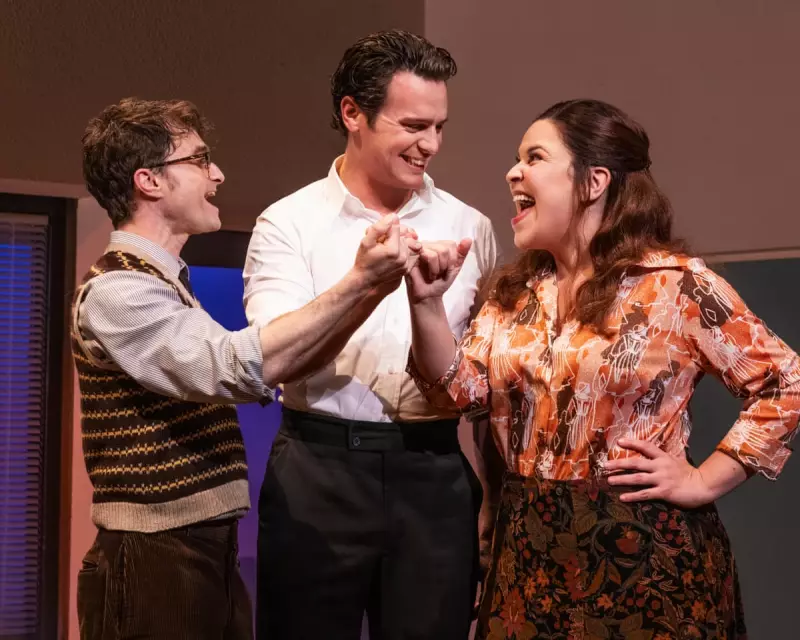
Following the 1981 failure, Sondheim and book writer George Furth implemented significant structural changes. The revised version opens with a lavish party celebrating Franklin's latest cinematic success rather than beginning with a student composition. Casting approaches transformed too - where original productions used young actors simulating middle age, modern interpretations like Maria Friedman's feature mature performers including Jonathan Groff, Daniel Radcliffe, and Lindsay Mendez navigating the years with minimal adjustments.
Why Merrily Finally Found Its Audience
The musical's emotional power lies in its universal themes of compromise, adjustment, and loss that resonate differently with each audience member. Like Pinter's Betrayal, which also employs reverse chronology, it captures how life inevitably changes relationships and ideals. The production features what many consider some of Sondheim's most memorable compositions, including Old Friends, Good Thing Going, and the title number - tunes that have become earworms for fans over decades.
In the current celebrated production, Groff portrays Franklin not as a villain but as a tragic figure consistently choosing the path of least resistance. Mendez perfectly captures Mary's unfulfilled romantic longing, while Radcliffe delivers a standout performance as Charley, blending anxious neurosis with passionate belief in art's transformative power.
The filmed version of Maria Friedman's production, originating from her 2012 Menier Chocolate Factory staging, captures this theatrical triumph for cinema audiences. Merrily We Roll Along demonstrates how a production once considered a failure can, with time and thoughtful revision, become recognized as a masterpiece of musical theatre.