Castaway narratives have long captivated audiences, typically celebrating the triumph of the human spirit against overwhelming odds. From the solitary survival in Cast Away to the scientific ingenuity in The Martian, these stories often leave us feeling uplifted. However, when a large group is stranded together, the outcome is starkly different—a descent into chaos and savagery, as chillingly depicted in William Golding's seminal novel, Lord of the Flies.
A Fresh Take on a Timeless Tale
Now, the BBC brings this classic to life in a gripping new four-part series, adapted by the prolific writer Jack Thorne. Premiering on Sunday at 9pm on BBC One, this adaptation promises to be a visceral experience that will leave viewers profoundly unsettled. Thorne, known for his rapid-fire output on projects like Harry Potter and the Cursed Child and This Is England, infuses the story with a contemporary edge, making it feel as relevant today as it was in the 1950s.
Visual Storytelling and Direction
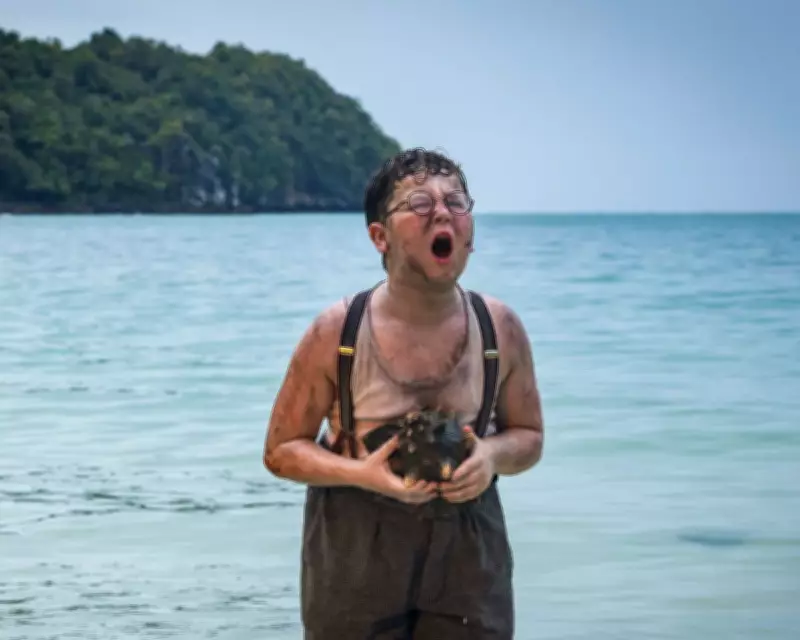
Directed by Bafta-winning filmmaker Marc Munden, the series immediately immerses audiences in its stark, unforgiving world. From the outset, it abandons conventional television comforts, employing sparse dialogue and prolonged shots that heighten the sense of isolation. The frequent breaking of the fourth wall through intense close-ups of the boys' faces adds a layer of psychological depth, forcing viewers to confront their vulnerability and latent aggression.
The diverse cast, including newcomers like Lox Pratt as the entitled Jack, brings a modern sensibility to the story. A standout scene features a troupe of choristers in Canterbury caps processing up a beach, an image that blends the surreal with the symbolic, highlighting the class dynamics at play. As Jack vies for leadership against the more responsible Ralph, the series delves into themes of toxic masculinity and political power struggles, suggesting they are inextricably linked.
Themes of Chaos and Control
Jack's disdain for order—"Toilets, water, hut-building, boring!"—mirrors real-world political rhetoric, with his makeshift face shroud evoking a haunting symbolism. The rapid escalation into violence and fire serves as a bleak commentary on human nature when societal structures collapse. This adaptation excels as a piece of surreal horror, evoking a Joseph Conrad-esque fever dream that is both brilliant and deeply disturbing.
Watching this series, one cannot help but feel a profound gratitude for the rule of law, that "ultimate dweeb's charter" that safeguards civilisation. It's a testament to Thorne's skill that he can make such a well-known story feel fresh and urgent, prompting viewers to re-evaluate its themes in a modern context.
As Thorne continues to produce work at an astonishing pace, one wonders if he might need a respite from such intense material. Perhaps a quiet beach holiday is in order—though, given the themes of Lord of the Flies, he might want to choose his destination carefully.