A cosy silver wedding anniversary celebration in Edwardian Yorkshire unravels into delightful chaos in JB Priestley's enduring comedy, When We Are Married, now receiving a chucklesome revival at London's Donmar Warehouse. Directed by Tim Sheader, this 1934 play proves that a bureaucratic error can be the catalyst for upending social hierarchies and questioning lifelong assumptions.
A Fateful Discovery Unravels Lives
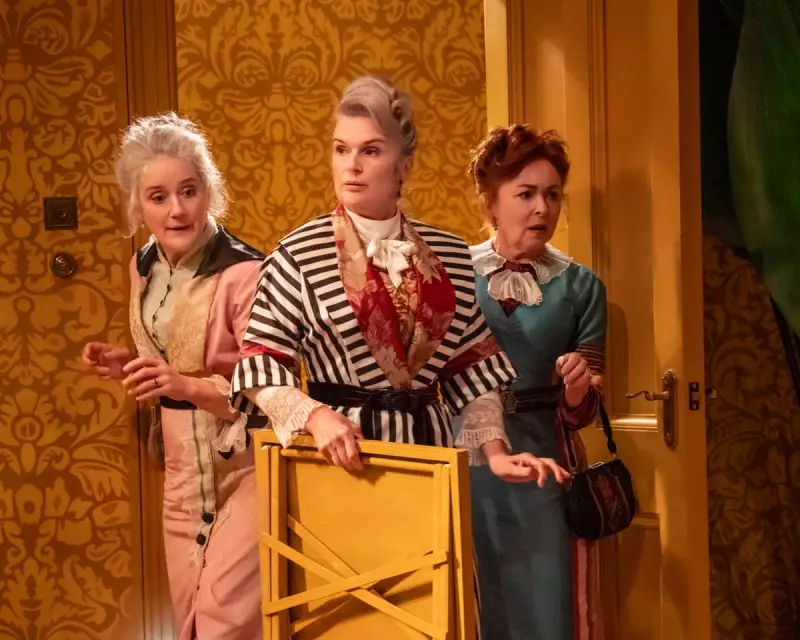
Set in 1908 but written in the 1930s, the play follows three smug, middle-class couples marking 25 years of matrimony. Dressed in Anna Fleischle's splendid costumes of tweed and lace, their complacency shatters with the shocking revelation that a clerical mistake means none of them are legally married. This single fact, delivered just as the port begins to flow freely, sends seismic waves through their carefully ordered world.
The production cleverly freezes this pivotal moment between acts in a tableau set to Beyoncé's Single Ladies, a witty modern contrast that underscores the sudden shift in power dynamics. The men's assumed authority crumbles alongside the fancy crockery, while the women glimpse unexpected freedoms, no longer bound by the duty of darning their husbands' socks.
A Stellar Cast Brings Priestley's Characters to Life
The ensemble cast excels at capturing the essence of Priestley's sharply drawn characters. Marc Wootton is brilliantly belligerent as the blowhard councillor Albert Parker, while Sophie Thompson shines as his timid, put-upon wife Annie, discovering a newfound spine. Jim Howick delivers a standout performance as the hen-pecked Herbert Soppitt, whose gastric distress is as much from daring to answer back as from overindulgence.
As word of the scandal leaks, a host of lower-class characters descend upon the household, each seeking advantage or amusement. Ron Cook provides delightful physical comedy as the increasingly inebriated photographer, and Tori Allen-Martin is a vivacious presence as Lottie from Blackpool, whose familiarity with one of the 'unmarried' men raises eyebrows.
Playful Dialogue and Timely Themes
Priestley's crisp, playful dialogue revolves around a central conceit but maintains its charm through keen observation of human nature. While the stakes are never perilously high and the tantrums remain contained, the play offers a pleasantly silly and subversive exploration of gender roles, class, and the fragile contracts that bind relationships.
By the night's end, the couples are shaken but arguably improved. Priestley's gentle reminder to treat each other better and make the best of our circumstances resonates clearly. The production also offers a practical tip: always double-check your wedding paperwork to avoid a nasty surprise a quarter-century later.
This well-made, comforting production is perfect for a chilly evening, offering the theatrical equivalent of sinking into a favourite armchair. When We Are Married runs at the Donmar Warehouse in London until 7 February.