Ian McKellen Pioneers Mixed Reality Theatre in Groundbreaking New York Play
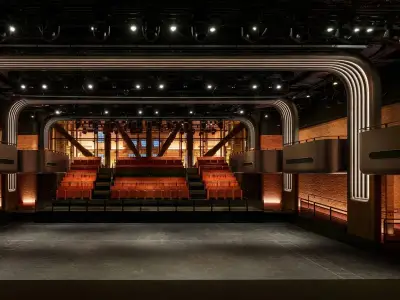
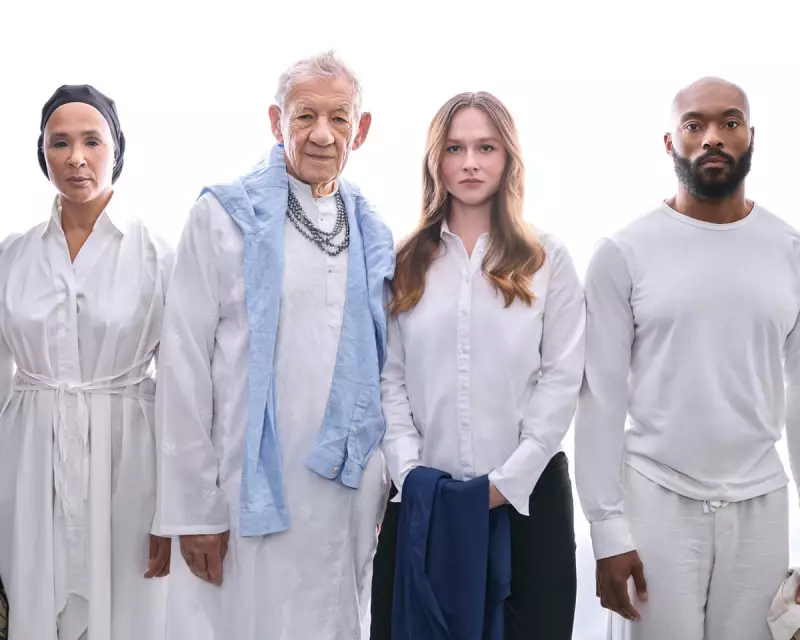
At The Shed in Manhattan's Hudson Yards, a revolutionary theatrical experiment is unfolding, starring the esteemed British actor Ian McKellen. In An Ark, attendees don enhanced glasses to witness a performance where actors, including McKellen, Golda Rosheuvel, Arinzé Kene, and Rosie Sheehy, appear not in person but as video projections, creating a blend of physical and digital realms that challenges traditional theatre norms.
A New Form of Audience Connection
Audiences sit in a circle, facing four empty chairs that soon fill with spectral figures. Through mixed reality technology, the actors address viewers directly, maintaining unwavering eye contact throughout the 47-minute show. Written by Simon Stephens in the second person, the play explores themes of mortality and human connection, with McKellen's reassuring voice guiding spectators through an intimate, sometimes unsettling journey. This approach marks a significant departure from conventional theatre, offering a personalised experience where each viewer feels uniquely seen.
Distinguishing Mixed Reality from Virtual Reality
Producer Todd Eckert emphasises the critical distinction between mixed reality and virtual reality. Unlike VR, which immerses users in a fully digital world, mixed reality integrates digital elements into the physical environment, fostering connection rather than isolation. Eckert, founder of Tin Drum, explains that the technology allows audiences to see each other and the room, enhancing communal engagement. This philosophy underpins An Ark, aiming to use innovation not as a gimmick but as a tool for deeper human interaction.
Technological Innovations and Challenges
The production utilises volumetric capture, filming the actors with 52 cameras in one take at a studio in Grenoble, France. This method presents four performers simultaneously for the first time in such a format, though technical glitches during previews highlighted ongoing refinements needed. Director Sarah Frankcom, known for her actor-centred work, found creative freedom in these limitations, staging the show with minimal props to focus on the intense, direct engagement facilitated by the technology.
Potential for Accessibility and Preservation
Beyond its artistic merits, mixed reality theatre holds promise for making performances more accessible amid rising Broadway costs. It also offers a novel way to preserve the work of legendary actors like McKellen with greater vitality than traditional filming. Frankcom describes the production as "the first letter of an alphabet," hinting at vast unexplored possibilities for future innovations in the medium.
Reflections on Theatre's Enduring Role
Despite the high-tech elements, the creators stress that An Ark is fundamentally about human connection. In an era of digital saturation, the play serves as a balm, reminding audiences of the power of live presence. As Eckert notes, the technology enables a lasting legacy where future generations can experience the actors' gazes, blending art with enduring emotional impact.