High Noon Stage Review: A Western Experiment That Misses Its Mark
The Harold Pinter Theatre currently hosts an ambitious theatrical experiment: Eric Roth's stage adaptation of the iconic 1952 Western film High Noon. Running until 6 March 2026, this production represents a rare attempt to bring a straight Western drama to the West End stage, but ultimately demonstrates why the genre has remained largely unexplored in theatre.
Atmospheric Setting Versus Narrative Shortcomings
Directed by Thea Sharrock, the production certainly creates authentic Western atmosphere through Tim Hatley's meticulously designed set. The wooden buildings with their clapping doors and claustrophobic bar interiors successfully evoke the classic frontier town aesthetic. Several tense confrontations and shoot-out sequences genuinely capture the threat and suspense characteristic of the Western genre.
However, the adaptation struggles to maintain consistent tone. Despite being billed primarily as a drama, the production incorporates musical numbers drawn from Bruce Springsteen's back catalogue alongside line dancing sequences that often feel disconnected from the surrounding narrative. While Denise Gough demonstrates impressive vocal talent during her ballad performances, these musical interludes frequently disrupt the dramatic tension the production works hard to establish.
Character Development and Problematic Portrayals
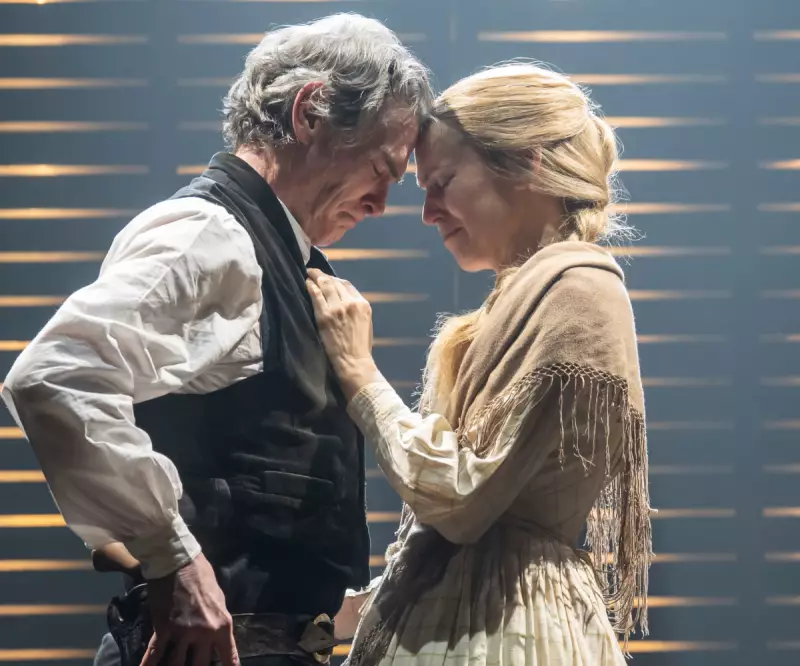
The central narrative follows Marshall Will Kane, portrayed by Billy Crudup, who discovers on his wedding day that an old enemy is returning to town. His sense of honour compels him to delay his departure for a final confrontation, creating immediate conflict with his new wife Amy Fowler, a Mormon who fundamentally opposes violence.
Denise Gough delivers a powerful performance as Amy Fowler, particularly during the first half where her character's moral convictions and internal conflict are convincingly portrayed. Her presentations of anguish and steadfast commitment to her beliefs create genuine dramatic tension.
Unfortunately, this strong character foundation is ultimately undermined by problematic writing choices. As the single-act play progresses, Amy Fowler's character arc takes disappointing turns that betray her established principles and reduce her passionate convictions to narrative fodder. The portrayal feels particularly dated in its gender dynamics, with the writing exhibiting what many will perceive as sexist undertones in its treatment of the female lead.
A Missed Opportunity for Genre Innovation
While Billy Crudup delivers a competent performance as the morally conflicted marshal, the character feels underwritten compared to his cinematic counterpart. The production raises interesting questions about why Westerns have remained largely absent from mainstream theatre, suggesting the genre's visual and narrative conventions may not translate seamlessly to the stage.
The production's most significant achievement may be demonstrating the potential for Western theatre rather than delivering a fully successful example of it. The atmospheric elements work effectively, and certain sequences successfully capture the genre's tension, but these achievements are overshadowed by narrative and character development issues.
High Noon continues its run at the Harold Pinter Theatre until March 6, 2026, offering theatregoers an opportunity to witness this unusual genre experiment while highlighting the challenges of adapting classic Western narratives for contemporary stage audiences.