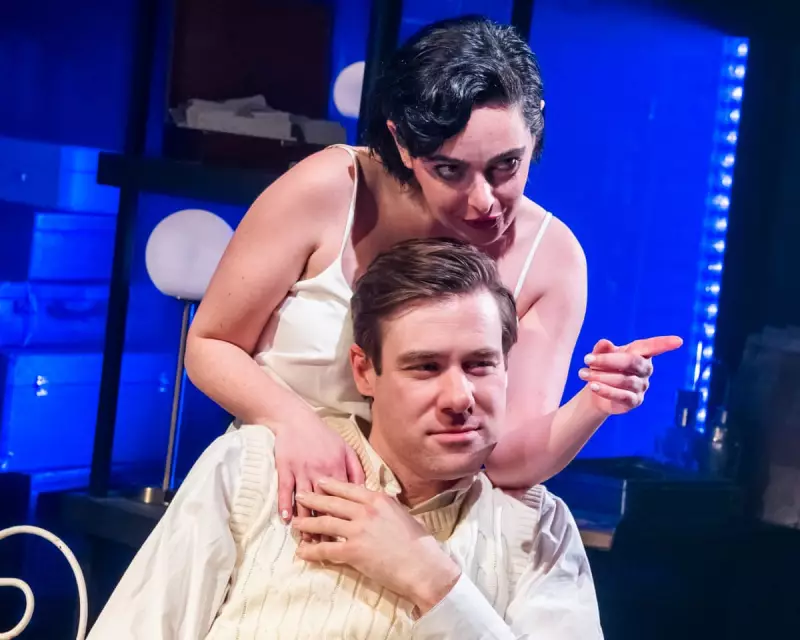
Beautiful Little Fool Review: Fitzgerald Musical Fails to Capture Jazz Age Dazzle
A new musical attempting to chronicle the turbulent lives of literary icons F. Scott and Zelda Fitzgerald has arrived at Southwark Playhouse Borough in London. Beautiful Little Fool, with music and lyrics by actor Hannah Corneau and directed by Michael Greif of Rent and Dear Evan Hansen fame, represents the latest effort to dramatise this legendary Jazz Age couple's story. Despite vocal prowess from the cast, the production struggles to deliver the depth and sparkle associated with the Fitzgeralds.
Historical Context and Production Framework
For decades, creators have sought to reinterpret Zelda Fitzgerald's legacy, moving beyond her traditional portrayal as merely F. Scott's troubled wife. She has been reimagined as a feminist figure whose creativity was stifled by societal constraints and marital dynamics. Previous stage adaptations, including Craig Revel Horwood's Beautiful and Damned in the West End during 2004, have met with mixed success. This new production frames the narrative through the perspective of the couple's daughter, Scottie, as she explores their archival materials.
Shankho Chaudhuri's set design features extensive bookshelves and stacks that will particularly delight bibliophiles, creating a visually rich environment. However, the framing device involving Scottie feels underdeveloped, leaving unanswered questions about her purpose within the story. Lauren Ward delivers a moving performance as Scottie, interacting with her parents at various stages of their lives, providing some emotional resonance.
Musical and Dramatic Shortcomings
The production boasts a cast capable of impressive vocal performances, pouring considerable energy into Corneau's predominantly pop-influenced score. David Hunter effectively portrays F. Scott Fitzgerald's complex blend of arrogance and vulnerability, while Amy Parker, who stepped in for Corneau on opening night, powerfully expresses Zelda's emotional turmoil. Their initial romantic connection is tenderly depicted in the number One Night in July.
Nevertheless, significant weaknesses emerge in both the book by Mona Mansour and Corneau's lyrics, which frequently descend into cliché and repetition. The central relationship remains superficially drawn, failing to convey why the Fitzgeralds were considered such dazzling figures or to explore their profound personal struggles with adequate depth. The musical largely overlooks Zelda's documented mental health challenges, opting instead for a sudden feminist climax that feels unearned.
Missed Opportunities and Future Prospects
Despite occasional dramatic moments, such as a sharp argument set on the Riviera, the production lacks the wit and intellectual spark one might expect from a story about two accomplished wordsmiths. The numerous ballads fail to produce memorable melodies that linger with the audience after the curtain falls. This represents a missed opportunity to truly capture the essence of the Jazz Age and its most iconic literary couple.
Interestingly, another Zelda Fitzgerald musical titled The Fitzgeralds of St Paul is scheduled for a New York premiere this spring, suggesting continued fascination with this subject matter. Beautiful Little Fool continues its run at Southwark Playhouse Borough until 28 February, offering theatregoers a chance to experience this interpretation despite its limitations in capturing the full complexity of its legendary subjects.