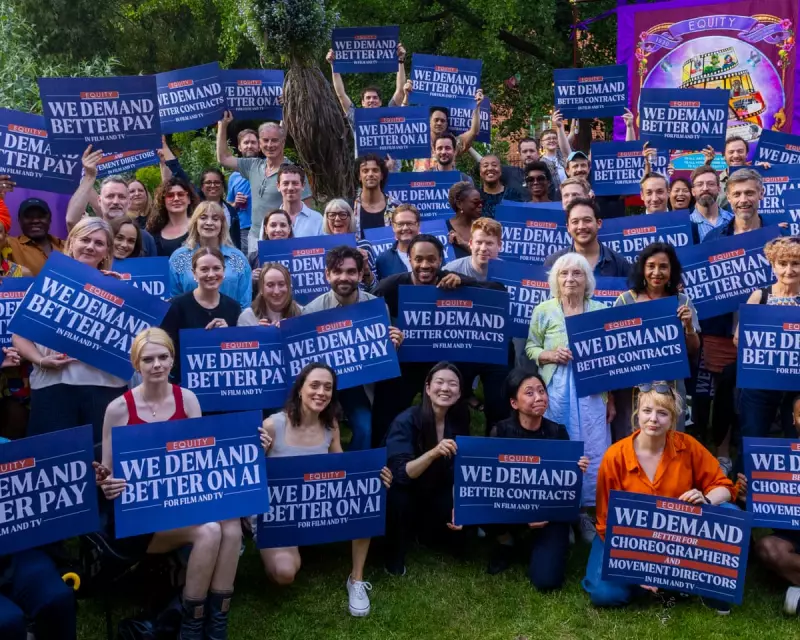
In a decisive move against the encroachment of artificial intelligence, members of the UK actors' union Equity have voted overwhelmingly to refuse the creation of digital scans of their likenesses without robust protections. The landmark vote represents a significant pushback from performers concerned about the unchecked use of AI technology in film, television, and theatre.
A Resounding Mandate Against Unprotected AI
The union announced the result of its referendum on Wednesday, 18 December 2025. The ballot asked members whether they supported a policy of refusing to be digitally scanned for AI purposes unless their union-approved terms and conditions were met. The response was emphatic, with 93.3% of voters backing the refusal policy. The turnout was substantial, with over 17,000 members casting their vote.
This powerful mandate empowers the union's council and its officials to formally adopt the policy. It sends a clear message to producers and production companies that performers are united in demanding control over how their digital selves are created and used. The vote follows a similar, though not identical, campaign by the US union SAG-AFTRA, highlighting a growing international concern among creative professionals.
The Core Demands for AI Protections
Equity's proposed terms and conditions, which must be met before members agree to be scanned, are designed to establish essential safeguards. The key demands include:
- Consent and Negotiation: Performers must give explicit, informed consent for each specific use of their digital replica, negotiated through their union.
- Clear Compensation: Actors must be fairly paid for the initial creation of the scan and for every subsequent use of their digital likeness.
- Transparency and Veto Rights: Performers must have the right to know exactly how and where their digital double will be used and must retain the right to refuse certain applications.
- Protection for Background Artists: The policy specifically aims to protect supporting and background artists, who are often the most vulnerable to exploitative "all rights in perpetuity" contracts.
Paul Fleming, Equity's general secretary, stated that the vote gives the union a "clear, democratic mandate" to fight for these protections in all its dealings with the industry. The union argues that without such safeguards, AI poses an existential threat to performers' livelihoods and the very craft of acting.
Industry Context and Future Battles
The referendum was launched against a backdrop of rising anxiety within the creative sector. The rapid advancement of generative AI has led to fears that performers could be replaced by digital replicas, or that their likenesses could be used indefinitely without further payment or approval. High-profile disputes in Hollywood have brought these issues to global attention.
While the vote is a powerful statement of principle, the real test will be in its implementation. Equity must now enforce this policy in negotiations with production companies and studios. The union has indicated it will treat any attempt to force a performer to be scanned against this policy as a potential disciplinary matter.
This collective action marks a critical moment in the ongoing debate about technology, labour, and art. It establishes a firm line in the sand for UK performers, asserting that their humanity and intellectual property are not mere raw data for algorithms. The result sets the stage for significant negotiations and potential conflicts as the entertainment industry grapples with the ethical and practical implications of AI.