Powerful Conclusion to Eldridge's Couples Trilogy
The National Theatre's Dorfman stage hosts the poignant final instalment of David Eldridge's acclaimed couples trilogy with End, bringing a deeply moving close to Rufus Norris's final season as artistic director. This two-hander production features Clive Owen and Saskia Reeves delivering raw, emotionally charged performances that explore love facing mortality.
A Journey Through Life's Stages
Eldridge's trilogy has meticulously charted the evolution of relationships, beginning with the initial spark of romance in Beginning, moving through the complexities of established partnerships in Middle, and now arriving at this profound examination of life's ultimate conclusion. The play immediately establishes its sombre premise with Alfie's terminal cancer diagnosis revealed in the opening lines, setting the stage for an intimate exploration of how a lifetime together confronts impending death.
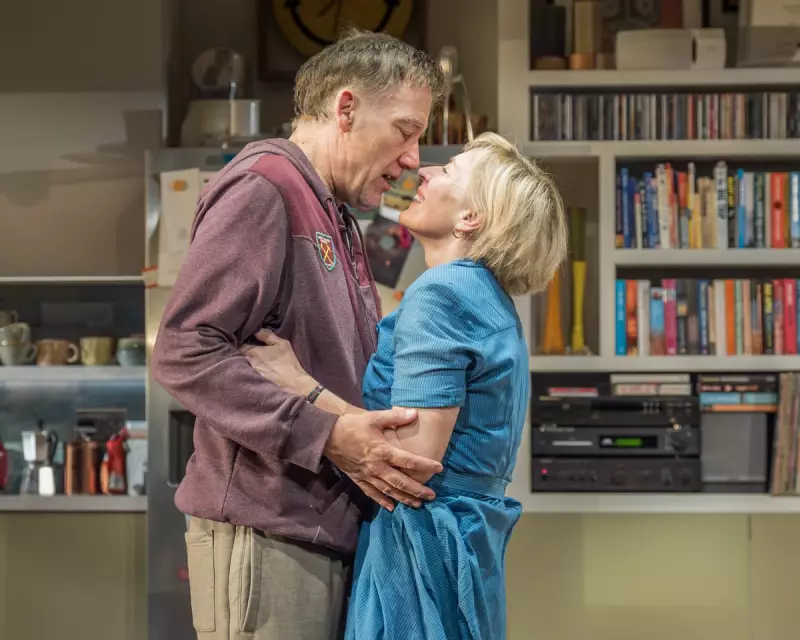
Alfie, portrayed by Clive Owen, is a former acid house DJ in his fifties, while Julie, played by Saskia Reeves, has found success as a novelist. Though both Essex-born, they've long since moved from Brentwood to affluent north London, yet their roots remain integral to their identities. This geographical transition becomes central to their conflict as Alfie desires to stop treatment and be buried in his hometown soil, while Julie desperately wants him to continue fighting for his remaining family.
Kitchen Conversations Facing Mortality
The entire play unfolds in real time within a domestic kitchen setting, featuring that quintessential British ritual - a pot of tea that goes undrunk. Designed by Gary McCann, the kitchen contains telling details including vinyl records and an acid house smiley face clock, reflecting Alfie's musical past. Through this intimate environment, the couple navigates difficult conversations about their grown-up daughter, past infidelities, and the stark reality of Alfie's condition.
Owen delivers a particularly searing performance, moving stiffly on crutches that visibly convey both physical pain and emotional devastation. Reeves presents a woman trying to maintain strength while witnessing her partner's decline, though occasional moments of formality sometimes challenge the complete believability of their long-shared history.
Direction and Musical Elements
Under Rachel O'Riordan's direction, taking over from Polly Findlay who staged the previous two instalments, the production maintains pace while allowing for meaningful silences. The script occasionally incorporates musical snippets and dance movements that evoke the hedonistic acid house era Alfie once dominated, serving as poignant reminders of youth and vitality confronting mortality.
While some monologues about life and death occasionally feel stylistically disconnected from the domestic realism, they reinforce the play's central theme that profound moments occur amidst everyday settings. The conversation about Julie's desire to write about Alfie's death adds another layer, potentially reflecting the playwright's own relationship with processing experience through art.
Despite the bleak subject matter, End ultimately reveals itself as a work containing surprising tenderness, warmth and gallows humour. It presents love persisting in death's shadow and death inhabiting love's domain, creating a bittersweet theatrical experience that stays with audiences long after the curtain falls.
The production continues at the Dorfman theatre until 17 January, marking both the conclusion of Eldridge's trilogy and an era at the National Theatre under Norris's leadership.