The Unexpected Comfort of Scheduled Fantasy
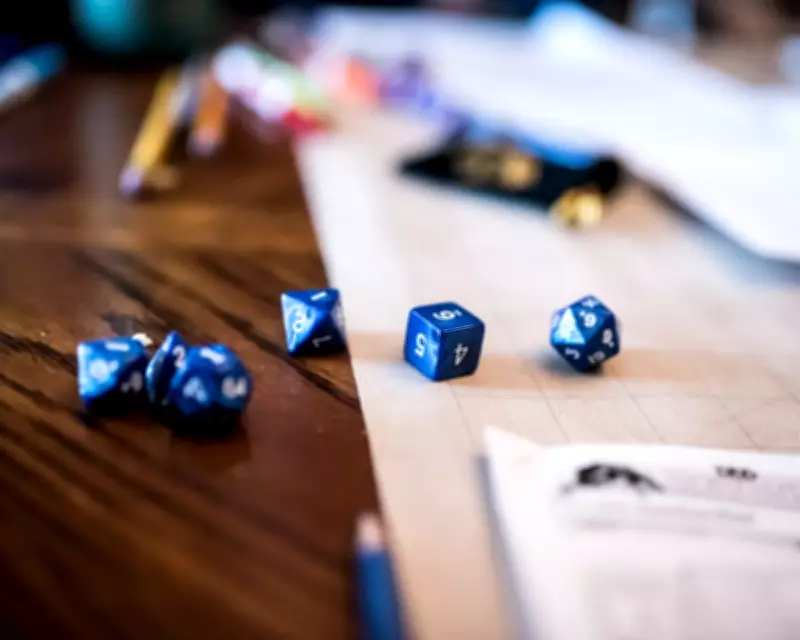
In an era where spontaneous social gatherings feel increasingly rare, I've discovered an unlikely source of consistent connection: a monthly Dungeons & Dragons game. What began as a nerdy pastime has transformed into a vital social lifeline, providing the structured friendship time that modern adult life often lacks.
The Disappearing Art of Spontaneous Connection
Recently, I contacted a friend about seeing the second Wicked film, only to realise our last meeting had been exactly a year earlier - when we watched the first instalment together. This scheduling struggle isn't unique to me. Throughout 2025, I've engaged in what feels like the world's slowest game of message tennis, where arranging a simple dinner with friends requires months of planning as seasons change and grey hairs multiply.
Research confirms this troubling trend. The latest Household, Income and Labour Dynamics in Australia survey reveals a long-term decline in social connectedness that has accelerated since the pandemic. Many Australians report diminishing friendships, particularly men aged 24-44 and women aged 15-24. In our late-capitalism hierarchy of needs, maintaining meaningful friendships often falls depressingly low beneath "having a job and paying rent."
The Structured Sanctuary of Role-Playing
Against this backdrop of social fragmentation, my regular Dungeons & Dragons game shines as a beacon of reliable connection. Every month, well in advance, my friends and I schedule our next session. This organised fun provides something I never knew I needed: predictable, quality time with people I care about.
We've become a society that increasingly relies on structured activities to fulfil basic social needs. People join running clubs to avoid dating apps, attend book clubs to force themselves to read, and I personally pretend to be an elf warlock navigating a divorce in a fantasy realm. There's something profoundly comforting about this scheduled escapism.
Why Forced Fun Actually Works
I've always resisted organised social activities. In my youth, I cherished spontaneous dinners and impromptu outings, avoiding anything resembling structured fun. At previous jobs, I would schedule annual leave specifically to avoid corporate team-building events - I'd rather organise my spice rack than play lawn bowls with the head of sales.
Yet Dungeons & Dragons has revealed the unexpected value of contrived connection. The game focuses on the concept of an "adventuring party" - a group of heroes whose bonds strengthen through shared fantasy conflicts. It's as if the game was laboratory-designed to foster genuine connection between players.
The Therapeutic Power of Shared Fantasy
During our sessions, my friends and I escape our real-world concerns. We typically spend the first hour catching up over food and tea, discussing job frustrations, financial worries, and housing dramas. Then we enter a world where our biggest concern isn't rising fascism but rather a creature composed entirely of eyeballs.
This enforced whimsy serves as a powerful antidote to adult life's pressures. When maintaining a social calendar feels like another job, and friendship becomes a chore amid exhaustion and burnout, Dungeons & Dragons offers relief. It's remarkably difficult to bring real-world anxieties into a make-believe realm where you're adventuring with delightfully silly companions.
The Vital Importance of Scheduled Silliness
As we age, opportunities for unstructured creativity and play diminish alarmingly. That's why I treasure carving out one day each month specifically for imaginative silliness. Having a dedicated monthly escapism day with friends represents the antithesis of obligation - it functions as a beneficial pressure valve that helps navigate life's other responsibilities.
Perhaps we shouldn't overanalyse why rolling dice and creating fantasy narratives feels so restorative. Maybe it's simply fun. But in a world where genuine connection grows increasingly elusive, my monthly Dungeons & Dragons game has become more than entertainment - it's essential maintenance for friendships that might otherwise wither in our overscheduled lives.