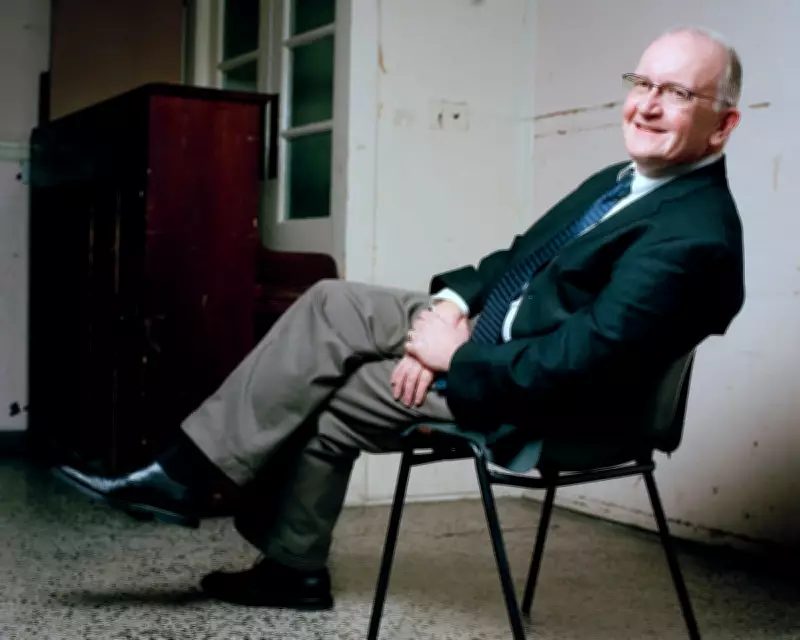
In a thought-provoking intervention into the ongoing debate about content warnings in the arts, Tony Award-winning director John Doyle has voiced significant concerns. He suggests that the increasing prevalence of trigger warnings in theatre productions risks 'mollycoddling' audiences, potentially diluting the medium's intrinsic capacity to confront and unsettle.
A Call for Artistic Integrity and Audience Resilience
Doyle, renowned for his innovative and often stark theatrical productions, argues that theatre has historically served as a vital space for exploring complex, difficult, and sometimes distressing human experiences. He contends that an over-reliance on pre-performance warnings could inadvertently create a culture of excessive caution. This, he fears, might shield audiences from the very emotional and intellectual challenges that make live theatre a uniquely powerful art form.
'Theatre should be a place where we are not always comfortable,' Doyle is reported to have stated. 'Its purpose is to make us think, to feel, and to question. If we preface every potentially unsettling moment with a warning, we risk sanitising the experience and undermining its transformative potential.'
Balancing Duty of Care with Artistic Freedom
The discussion around trigger warnings touches on a delicate balance within the creative industries. On one side, there is a growing emphasis on duty of care, ensuring audiences are informed and can make choices to protect their mental wellbeing. Many venues and producers now routinely issue content notes for themes such as violence, sexual assault, flashing lights, or loud noises.
However, Doyle's perspective highlights a countervailing concern. He warns that this practice, if applied too broadly or prescriptively, could lead to a form of artistic self-censorship. Producers and writers might feel pressured to soften their work or avoid challenging subjects altogether to pre-empt the need for warnings, thereby stifling creative risk-taking.
The debate is not about dismissing genuine trauma or accessibility needs, but rather about where the line should be drawn. Doyle's comments suggest a worry that the pendulum may be swinging too far towards protectionism, potentially at the expense of artistic boldness and audience agency.
Industry Implications and Audience Expectations
This controversy has practical implications for theatres across the UK. Marketing departments, front-of-house teams, and artistic directors are all grappling with how best to communicate content. Some argue that clear warnings are a simple courtesy that empowers audience members, particularly those with past trauma, to engage with work on their own terms.
Doyle, while not advocating for the complete abolition of warnings, urges a more nuanced and sparing approach. He suggests that constant signposting might infantilise audiences, assuming they lack the resilience to handle complex narratives. This, he implies, could change the fundamental contract between performer and spectator, shifting theatre from an active, demanding encounter to a more passive, curated experience.
The conversation initiated by Doyle's remarks is likely to continue as the industry seeks a middle ground. It raises essential questions about the role of art in society, the responsibilities of creators, and the evolving expectations of modern theatregoers in an increasingly sensitised cultural landscape.