The Unsung Architect of British Acting Talent
Within the annals of British theatre history, certain influential figures have not received the recognition they truly deserve. One such person is David Scase, the artistic director whose discerning eye for talent helped launch the careers of some of Britain's most celebrated actors, including the legendary Sir Anthony Hopkins.
A Pivotal First Break in Manchester
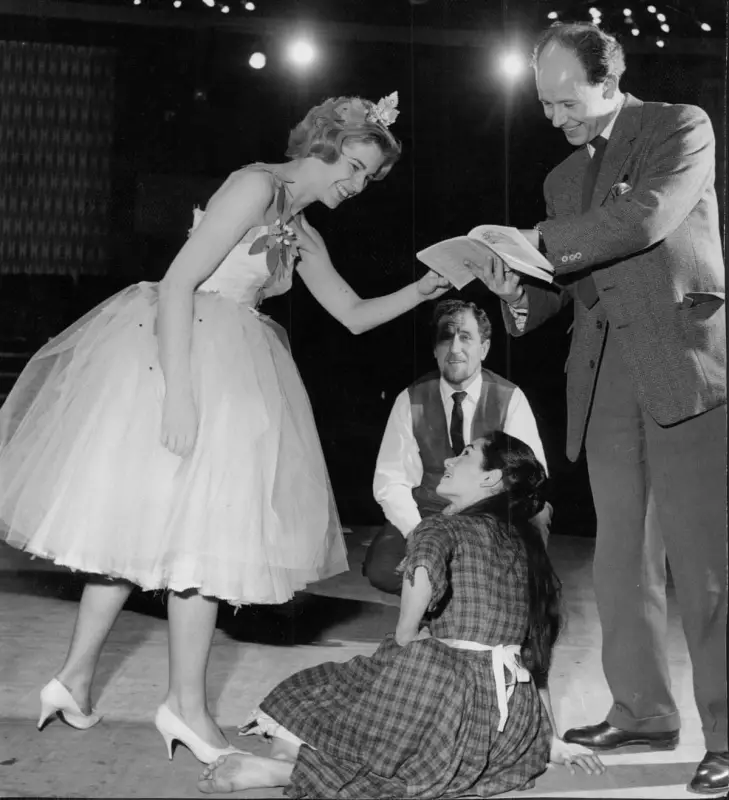
The story begins in 1960 at the Library Theatre in Manchester, where David Scase was directing productions. It was here, during rehearsals with actors like Patricia Regan, Valerie Sarruf, and David Mahlowe, that Scase made a decision that would change the course of theatrical history. He gave a young Anthony Hopkins his first major professional engagement, providing the crucial break the aspiring actor needed.
This mentorship did not end in Manchester. When Scase moved his base to the prestigious Liverpool Playhouse in 1963, Hopkins followed him, a testament to the strong professional bond and guidance Scase offered. This move proved to be a formative period for Hopkins' early career.
Assembling a Theatrical Dream Team
Colin Lovelace, who served as house manager at the Liverpool Playhouse, witnessed firsthand Scase's extraordinary ability to cultivate talent. Lovelace recalls that Scase assembled nothing short of an outstanding young company. This remarkable ensemble included, alongside Hopkins, a constellation of future stars:
- Patrick Stewart
- Sara Kestelman
- Marjorie Yates
- Warren Clarke
- Philip Hedley
- Peter Needham
Scase's role went beyond mere direction; he was a nurturer. He carefully fostered the raw talent of these individuals, creating an environment where they could hone their craft and develop into the powerhouse performers they would later become.
A Legacy That Demands Recognition
While the influences of figures like Laurence Olivier on actors such as Anthony Hopkins are often discussed, the pivotal role of David Scase has frequently been overlooked. His contribution to British theatre is immeasurable, not through his own performances on stage, but through the incredible legacy of actors he helped shape.
This tribute, prompted by a recent interview with Hopkins, serves as a vital correction to the historical record. It highlights that behind many great actors, there is often a visionary director like David Scase, whose belief and mentorship provide the foundation for legendary careers. His story is a crucial chapter in the culture of post-war British theatre.