American Psycho's Enduring Grip: From 80s Yuppies to Modern Manosphere
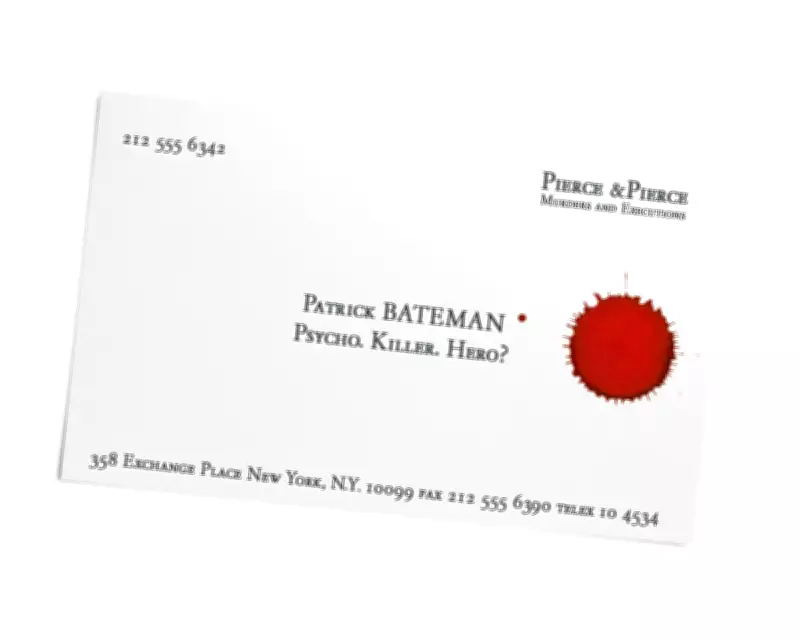
In a rehearsal room at London's Almeida theatre, streaks of blood mar the white walls, a hand axe lies ominously on a table, and a bone-coloured business card with raised black lettering reveals a familiar name: Patrick Bateman. Thirty-five years after Bret Easton Ellis's novel American Psycho unleashed this Wall Street banker on a rampage of sadistic violence, his dark tale feels more relevant than ever.
A Satire That Outlived Its Era
Originally a pitch-perfect send-up of Reagan-era capitalism, American Psycho was dismissed by critics as "nasty, brutish and long" upon its 1991 release. The controversy over its graphic violence led Simon & Schuster to pull out of publishing, though Ellis kept his advance and found a new home with Vintage. Today, the novel's themes of alienation and despair have transcended its initial notoriety, becoming a slow-burn success that resonates across generations.
Ellis initially claimed the book was inspired by his father and Wall Street bankers, but later admitted it reflected his own "rage, boredom, loneliness, and alienation." This personal connection has allowed the story to evolve beyond a mere attack on yuppie culture, tapping into a larger, darker energy that continues to captivate audiences.
The Modern Bateman: Status Anxiety in the Digital Age
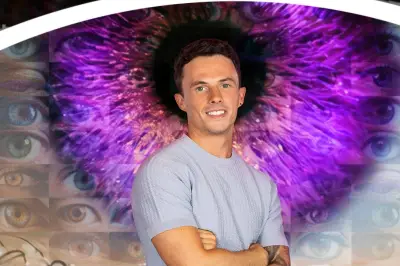
Arty Froushan, who plays Bateman in the new musical, notes that the character's neurotic comparisons with peers have only intensified with the rise of social media. "Instagram is such a horrific amplifier of it," he says, highlighting how platforms foster disconnection and discourage empathy. This constant status anxiety, once centred on business cards and tanning beds, now manifests in curated online personas and relentless self-optimisation.
The novel's humour, often overlooked, adds to its lasting appeal. With over 400 pages of bitchy dialogue and running jokes—like Bateman's confusion over whether The Edge wears Armani or Emporio—it masterfully drags readers into the inanity of his world. The film adaptation, starring Christian Bale, condensed this into a more narrative-driven form, but the novel's length immerses readers in Bateman's monotonous reality.
Crashing into Contemporary Debates
American Psycho enraged feminists upon publication and would likely face even greater scrutiny today. Ellis's research into autopsy reports and graphic scenes of violence remain shocking, yet it's Bateman's intrusive thoughts—casually mentioning horrific acts amid discussions of bistros—that chill readers. Director Mary Harron believed her film attacked male fragility, a question that resonates deeply in current discussions about masculinity.
The novel's influence extends to modern figures like Andrew Tate and his followers, who fetishise status, fitness, and the dehumanisation of women. From incel communities to tech bros and wellness gurus, Bateman's world mirrors today's grindset culture. Rupert Goold, the musical's director, sees the book as having an "almost Dostoevsky quality" that maps onto various modern malaises, including the manosphere.
Ironies and Misinterpretations
Despite being designed to mock hyper-masculine capitalism, Bateman has become an aspirational figure for some, held up as a "sigma male" archetype. Memes like the "sigma face," based on Bale's performance, proliferate online, while figures like Kanye West and Ron DeSantis have drawn inspiration from the character. This surface-level reading ignores Bateman's desperate need to fit in and the satire at the story's core.
Donald Trump, whom Bateman admires in the novel, embodies similar traits: obsession with surface, construction of his own reality, and privilege that allows wrongdoing to go unchecked. Ellis chose Trump as Bateman's idol for representing the elite, but now, as a political figure, the comparisons feel even more potent.
A Lethal Satire for Our Times
In an era where politics often seems "beyond satire," American Psycho serves as a stark warning. Ellis foresaw the dangers of hyper-masculine capitalism, but audiences were initially distracted by the gore. Now, with real-life figures echoing Bateman's traits, the novel's dark comedy emerges as one of the most lethal satires of all, reminding us that villains often hide in plain sight.
The musical's return to the Almeida theatre offers a timely exploration of these themes, proving that Bateman's hold on our cultural imagination is as strong as ever.