American Psycho's Stage Return Fails to Connect Emotionally
The theatrical adaptation of Bret Easton Ellis's controversial 1980s satire American Psycho has returned to London's Almeida Theatre after thirteen years, but this revival of the musical production leaves audiences feeling strangely disconnected from the material. The story of murderous Wall Street banker Patrick Bateman continues to fascinate cultural producers, with a new film adaptation in development alongside this stage revival, yet the musical format struggles to find emotional resonance with such a deliberately hollow protagonist.
A Slick Production With Hollow Core
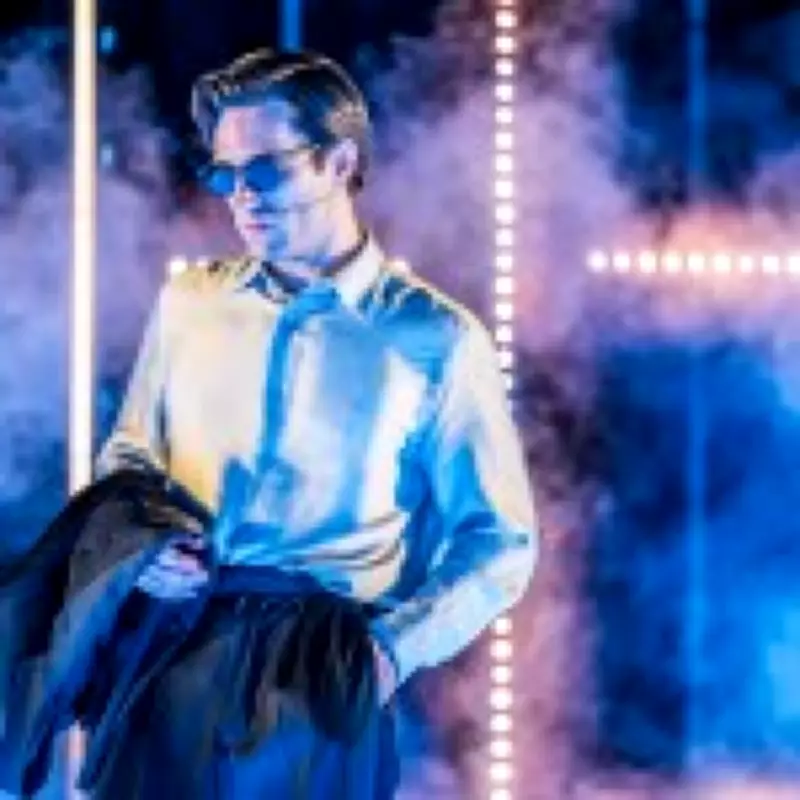
Director Rupert Goold's production values cannot be faulted for their technical excellence. The opening scene features rising star Arty Froushan as Bateman emerging from a shower cubicle through the stage floor, meticulously detailing his morning routine with obsessive precision. Designer Es Devlin's minimalist staging combines effectively with rave-inspired lighting and video projections to create the atmosphere of a distorted fashion show rather than traditional musical theatre.
The costumes maintain razor-sharp contemporary aesthetics, while the choreography demonstrates excellent pop sensibility and energy. However, these surface pleasures cannot compensate for the fundamental challenge of building a musical around a homicidal psychopath as its central character. Musical theatre traditionally relies on emotional expression through song, creating an inherent contradiction when the protagonist lacks genuine human connection.
Forgettable Original Songs Undermine Production
The original musical numbers prove particularly disappointing, featuring tinny electronic arrangements dominated by synthesizers and drum machines. While this musical approach might theoretically align with the 1980s setting and the story's themes of superficiality, the songs themselves lack memorable melodies or emotional weight. Numbers focused on reciting fashion labels or celebrating business card aesthetics may be thematically appropriate but become repetitive and wearisome over the course of the production.
The decision to incorporate genuine 1980s pop hits like Everybody Wants to Rule The World and In the Air Tonight further highlights the weakness of the original compositions. These familiar songs provide momentary highlights but simultaneously emphasize what's missing from the show's own musical material. The contrast between these iconic tracks and the forgettable original numbers creates an uneven listening experience throughout the performance.
Character Interpretations Lack Impact
Arty Froushan's interpretation of Patrick Bateman differs significantly from Christian Bale's iconic screen portrayal. Where Bale projected demonic intensity beneath a polished exterior, Froushan presents a more obviously neurotic and vulnerable character from the beginning. The production's script further complicates matters by suggesting Bateman's murders might exist only in his imagination, diluting the visceral horror that made Ellis's original prose so unsettling.
The violent sequences themselves lack the truly disturbing impact of either the novel or film adaptation, feeling somewhat sanitized for the stage. Meanwhile, attempts to create emotional balance through Bateman's secretary Jean feel belated and unconvincing. Despite Anastasia Martin's sympathetic performance of the climactic ballad A Girl Before, this effort to inject sincerity into proceedings arrives too late to feel authentic within the overall production.
A Distinctive But Flawed Theatrical Experience
For audiences seeking thought-provoking entertainment, American Psycho: The Musical certainly offers distinctive material compared to the teen movie adaptations currently dominating musical theatre. The production's critique of 1980s New York social scenes and their vacuous, self-obsessed inhabitants provides occasional entertainment value through sharp observational humor.
However, the fundamental question remains whether Ellis's deliberately shocking source material truly benefits from musical treatment. The show struggles to justify its own existence as a song-and-dance interpretation, failing to match either the literary power of the original novel or the cinematic impact of the film adaptation. While technically proficient and visually striking, this revival ultimately leaves audiences emotionally disengaged from material that demands stronger connection.
The production continues its run at London's Almeida Theatre until March 21, offering theatregoers an alternative to more conventional musical fare, albeit one that may leave them feeling curiously detached from the experience.