The tenth edition of the Photo Brussels Festival is now in full swing, offering a vibrant celebration of creativity that showcases Belgian talent while introducing compelling global themes and artists. Amid Belgium's biting winter, visitors are finding warmth and nostalgia within the immersive exhibition spaces, particularly at the Hangar Gallery.
The Anonymous Project: A Journey into Mid-Century Memories
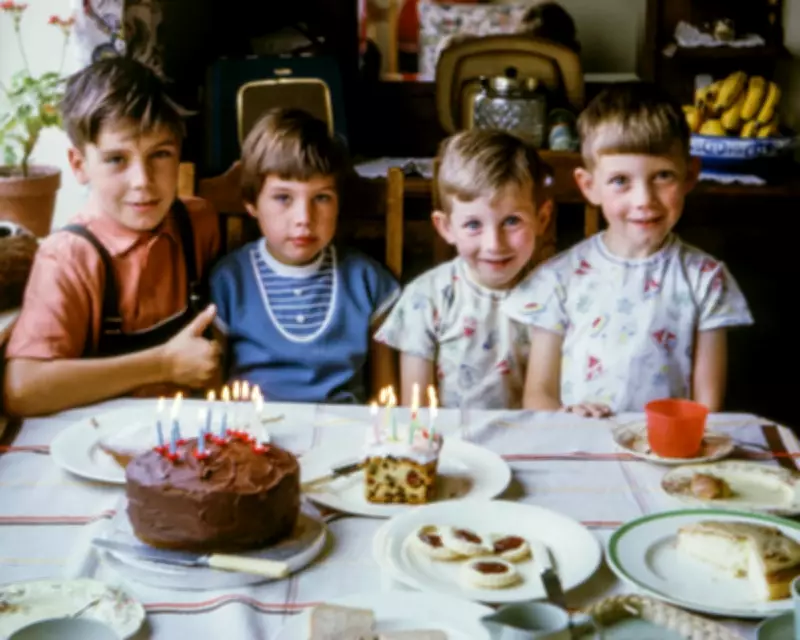
At the heart of the festival lies Lee Shulman's flagship exhibition, The House, which presents his renowned collection of found photography known as The Anonymous Project. Cloaked in cosy mid-century nostalgia, the staging creates a fitting scene for this unique artistic endeavour. The playful curation features an array of family snaps, capturing moments from holidays to birthday parties, with characters peeping out of kitchen cupboards or lounging on beaches, often photographed through caravan windows.
The effect is a seductive step into the past, evoking personal memories and dreams. All furniture used in staging The House has been sourced from secondhand websites, adding authenticity to the experience. A standout piece is a 1950s caravan purchased for just 200 euros, which has now travelled further around the world for exhibitions than it did during its original heyday.
The Origins and Growth of a Photographic Collection
Shulman began collecting in 2017 when he purchased a random box of vintage transparency slides and found himself drawn to the wonder of the people he discovered. These images offered windows into lives that were often funny, surprising, or tender. Cataloguing and exhibiting these pictures has become an artistic mission to give meaning to forgotten moments and breathe new life into old memories.
The collection has flourished significantly since its inception, growing from 400,000 slides in the first year to an extensive archive that Shulman, a self-confessed obsessive, delights in maintaining. To him, each slide represents a miniature painting that touches something deeply personal.
"They bring back my own memories of home life," Shulman reflects. "The comfort, the boredom, the tension, the routines. The feeling of being safe while at the same time wanting to escape." He describes homes as absorbing life, holding arguments, love, silence, and waiting, with memories remaining in the walls long after people have gone. The House represents his way of looking back and understanding what home still means to him.
Global Perspectives: From Brazil to French Guiana
Upstairs at Hangar Gallery, visitors encounter deeper explorations of family life and environmental themes. Brazilian photographer Danilo Zocatelli presents his powerful project Dear Father, I believe we found our peace, which examines his complex relationship with his father. Growing up as a young gay man in rural Brazil, Zocatelli knew he would never meet traditional masculine expectations.
The remarkable aspect of this project is that Zocatelli persuaded his father to participate in portraits where he would be dressed in wigs and makeup. Initially treated as a joke, with his father requesting the best wig available, the collaboration evolved into an intimate connection through the layering of makeup and shared creative process. Zocatelli came to realise that his father's true motivation was love for his son, leading to understanding and reconciliation.
Environmental Consciousness and Artistic Innovation
French photographer Sylvie Bonnot contributes another global perspective with her series The Kingdom of Mosquitoes, created during ventures deep into French Guiana to meet local custodians of the Amazon rainforest. Her motivations are multifold and deeply personal, addressing colonial memory and education about relationships with the living world.
As custodian of a Douglas pine forest in France herself, Bonnot brings expert knowledge of humankind's co-dependency on nature. Her images are immersive, layered artworks created through a technique she calls "moulting," where she peels the silver gelatin skin from physical photographs, disrupting their fragile fabric. The resulting pieces resemble artefacts more than traditional photographs, serving as metaphors for humanity's interference with the natural world and warning about the perils of neglecting preservation.
Expanding Festival Reach Across Brussels
Beyond Hangar Gallery, numerous venues across Brussels participate in the festival, presenting 52 exhibitions in total. At KlotzShows, a gallery dedicated to contemporary art, Daniel and Geo Fuchs present work that initially appears as homage to film director Wes Anderson's distinctive aesthetic. However, this is no fictitious creation but rather a disturbing reality: glimpses inside interrogation centres used by East Germany's Stasi secret police.
For the artists, who grew up in West Germany, the Stasi – Secret Rooms project represents one of their most important works. They document places where countless people were imprisoned and psychologically broken for not conforming to political ideology during the Cold War. Their mission became a deeply captivating experience to photograph these locations artistically, preserving them like time capsules.
"Some of these places are now memorials," the artists explain. "During our photoshoots, visitors, including former political prisoners, would sit on steps and cry deeply. Their suffering, which they still carry within them, could be felt strongly in the room."
Ukrainian Realities and Photojournalistic Excellence
At Geopolis, a retrospective exhibition presents the epic work of photojournalist Oleksandr Glyadyelov, who has tirelessly documented Ukrainian life during and since the Soviet Union's breakup. This marks the first time this extensive body of work has been shown outside Ukraine to this extent, offering striking visual records of a nation caught between economic turmoil, revolution, war, and hope.
A significant portion focuses on Glyadyelov's images of street children facing extreme poverty and social neglect in the 1990s, providing an unflinching record of social transformation. Remarkably, the photographer remains in touch with many of the children he photographed during that period.
Today, Glyadyelov is regarded as one of the world's leading photojournalists, serving as a generous guide and mentor to photographers documenting the current phase of war in Ukraine. His work continues to influence contemporary photojournalism, including those on assignment for major international publications.
The Photo Brussels Festival continues to run until 22 February 2026, offering visitors extensive opportunities to explore these diverse photographic perspectives and celebrate the medium's power to document, preserve, and transform our understanding of human experience.