The Man Behind the Camera: Jun Fujita's Chicago Legacy
A remarkable new book and upcoming exhibition are shedding fresh light on the extraordinary work of Jun Fujita, the pioneering Japanese-American photojournalist who documented early 20th-century Chicago through his compelling lens. Behind the Camera by Graham Harrison Lee, published by Hat & Beard Press, explores Fujita's multifaceted career as both a visual chronicler and poet, with an accompanying exhibition planned in Los Angeles next year.
Capturing Chicago's Darkest Moments
Fujita established his reputation through dramatic coverage of significant events that shaped Chicago's history. In 1915, he documented the SS Eastland disaster when the passenger ship capsized in the Chicago River, claiming 844 lives. His powerful images of the tragedy, including a poignant photograph of volunteer diver Dan Robbins who recovered 38 bodies, helped establish his position in photojournalism.
Four years later, Fujita turned his camera on the 1919 Chicago race riots, capturing disturbing scenes of mob violence. His photographs documented white children looting African American homes and South Side youth gangs armed with weapons chasing an African American man through alleyways. These images provided crucial visual evidence of the racial tensions erupting across the city.

Gangsters and Cultural Icons
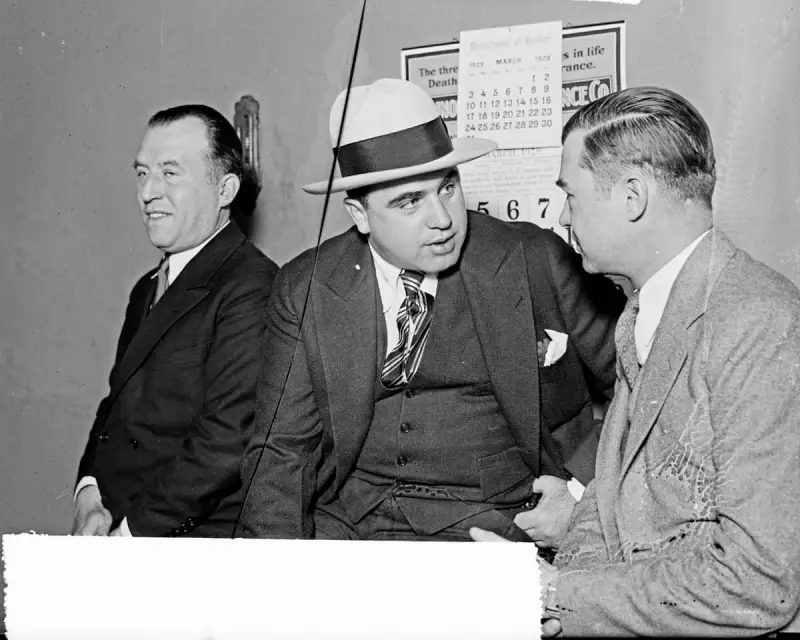
Fujita became renowned for his access to Chicago's underworld. He photographed the infamous gangster Al Capone speaking with attorneys William F Waugh and Benjamin Epstein in March 1929, just one month after the St Valentine's Day Massacre that Capone was widely believed to have orchestrated. Fujita himself had photographed the massacre's aftermath, creating some of the most iconic images of the Prohibition era.
Beyond crime scenes, Fujita also portrayed cultural figures including his friend Carl Sandburg, the triple Pulitzer-winning American poet. His portrait of Sandburg was published in December 1924, demonstrating his range beyond hard news photography.
Artistic Vision and Personal Life
Fujita's work balanced documentary precision with artistic expression. His photograph Fire and Ice, created for a news story about a winter fire, exemplified this dual approach. He also captured Chicago's beauty, including a stunning 1931 image of bridge construction that featured in an exhibition sponsored by the Women's Chicago Beautiful Association.
His personal life reflected his artistic sensibilities. He married Florence Carr in 1940, having photographed her a decade earlier on Manitowish Lake in Vilas County, Wisconsin. Later in life, he expressed particular admiration for British Columbia, which he described as "the most beautiful country in the world" and where he planned to retire from photography.
Fujita's legacy extends beyond his photographic achievements to include his poetry, particularly inspired by locations like the Indiana Dunes where he wrote evocatively about "shadowless shadows" and "death everywhere" in the stark landscape. His portrait taken at the 1933-34 Century of Progress World's Fair in Chicago shows the photographer at the height of his career, a testament to his enduring impact on visual journalism.