A major exhibition in Paris is casting a unique lens on British identity, adolescence, and the lasting impact of the Brexit referendum. The work of award-winning Franco-British photographer Ed Alcock is now on display at the prestigious Bibliothèque nationale de France.
Blending the Personal with the Political
The exhibition, curated by Héloïse Conésa, head of the library's photography department, presents five of Alcock's most significant series. These works deftly intertwine intimate family stories with broader political and social commentary. Alcock, a contributing photographer to the Guardian for over 25 years, won the esteemed 2025 Prix Niépce Gens d'Images for his compelling visual investigations.
Born in Norwich and now based in Paris, Alcock obtained French nationality in 2018. This dual perspective informs his nuanced examination of belonging. His series Home, Sweet Home, created between 2016 and 2020, directly confronts the UK's decision to leave the European Union. It features portraits of a divided nation, from fervent Leave supporters and despondent Remain voters to young people who felt their future was stolen.
Intimate Stories and National Divisions
One powerful image from Home, Sweet Home captures Mohammed Naz, a 33-year-old security guard in Bradford. Naz, whose family emigrated from Kashmir, suggests fascist sentiments influenced the city's Brexit vote. He is photographed at his workplace, a former textile mill where his father and grandfather laboured, highlighting generational ties to a changing industrial landscape.
The series also documents personal rifts, such as that between a son named Tom, who voted Remain, and his Leave-voting father. Their political disagreement has led to a complete breakdown in communication, a microcosm of the national divide.
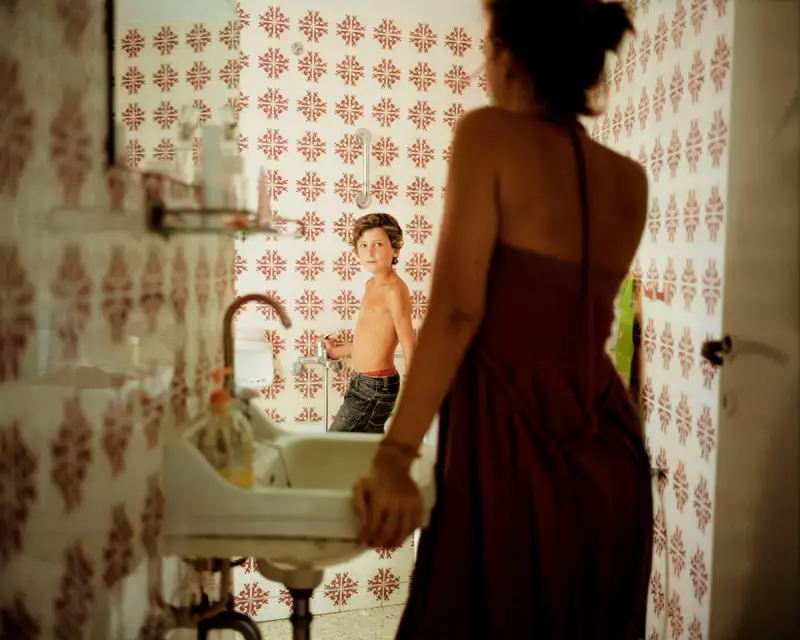
Alongside these political works, the exhibition features more personal projects. Hobbledehoy, a term for an adolescent boy, is a tender three-year study of the photographer's wife and son on holiday. It contrasts warm Mediterranean beach scenes with cooler, green-tinged images of abandoned toys, symbolising the poignant transition from childhood.
Uncovering Family and Collective History
Alcock's exploration of memory extends to his own family history. In Love Lane, he returns to his childhood holiday town after his grandfather's death, documenting an eastern English community of young adults and retirees. This focus subconsciously echoed a painful episode from his own youth.
The journey continues in Buried Treasure, where Alcock visits Horden, a mining village in north-east England. It was here his great-uncle Kendon reportedly died in a coal mining accident aged 17. Initially met with wariness, the photographer's local roots eventually led to a warm welcome, resulting in portraits, landscapes, and archival works. Two images from this series were selected for the Taylor Wessing prize exhibition at the National Portrait Gallery.
The exhibition runs at the Bibliothèque nationale de France in Paris until 29 March 2026. A second exhibition of Alcock's work is scheduled for the Jeu de Paume in Paris from 19 June until 15 November 2026.