In a captivating fusion of art, heritage, and athleticism, the all-female Mexican equestrian sport of escaramuza is galloping into the spotlight. Photographer Constance Jaeggi spent two years traversing the United States to document this unique tradition, creating a powerful visual record of a feminist fairytale on horseback.
More Than Pretty Dresses: The Roots of Escaramuza
Escaramuza is not merely a performance; it is a discipline steeped in history. It evolved from charrería, the historically male-only national sport of Mexico. This equestrian pursuit, with origins in cattle-ranching, is both an aesthetic display and a demonstration of significant athletic prowess.
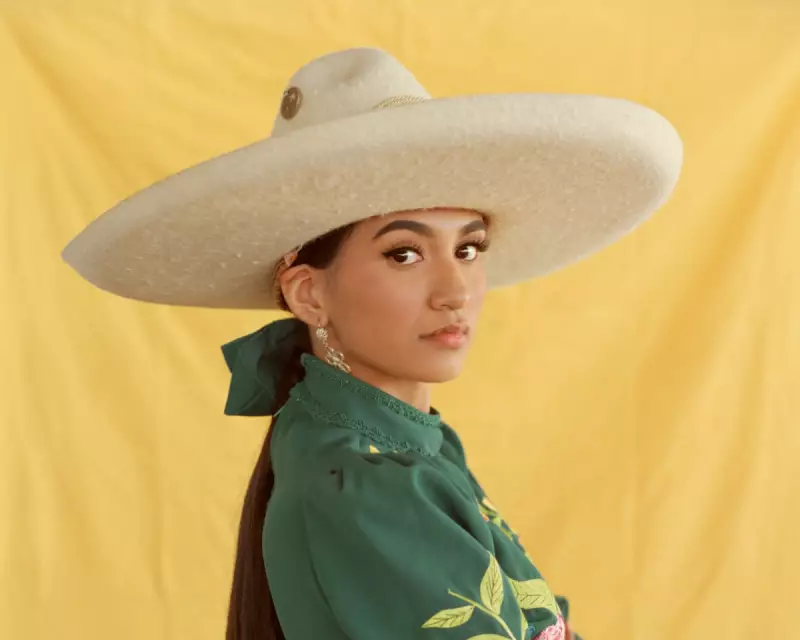
The escaramuza discipline was specifically invented for female participants. Its vibrant, colourful costumes and the intricate, synchronised patterns the riders perform are directly inspired by the Soldadera or Adelita – the women who fought courageously in the Mexican Revolution between 1910 and 1920.

A Dazzling Display of Skill and Sisterhood
Each escaramuza team consists of eight riders who perform breathtaking patterns, criss-crossing each other at high speed. The challenge is immense, as they are handicapped by riding side-saddle, with control over only one side of the horse. The performance is often described as a ballet on horseback, a dazzling eight-minute spectacle.
Jaeggi, herself a competitive horse-rider, was initially drawn to the sport's striking visuals. However, she soon became captivated by the immigrant stories of the women she met. As one rider, Emily, explained, "While it is the pretty dresses, the unique tradition, the sisterhood and community to many, it is also an escape... The sport reminds me of my feminine power and Mexican history. It’s a source of creativity and comfort."
Reclaiming Space and Preserving Tradition
For Jaeggi, photographing these women was a significant act. She noted, "The women confront the camera and own the spaces they occupy. This is significant, as I’ve photographed the escaramuzas within the landscape that, historically, has been the privileged domain of the white male." In this context, escaramuza represents women’s reclamation of that space, a bold assertion of their right to coexist within it.
The dedication of the escaramuzas is profound. They work year-round to perfect their skills, caring for their horses, training intensely, and driving long hours to competitions. Teams like Las Norteñas, one of the oldest, trace their roots back to Ciudad Juarez in the 1950s and are now kept alive by subsequent generations, such as the mother-daughter duo Veronica Martinez and Bibiana Candelaria, after moving to the US.
Jaeggi's project, culminating in the book Escaramuza from Gost Books, beautifully captures a culture that powerfully bridges contemporary Mexican-American identity and the legacy of the women freedom-fighters of the Mexican Revolution. It is a testament to grit, skill, and the enduring power of tradition.