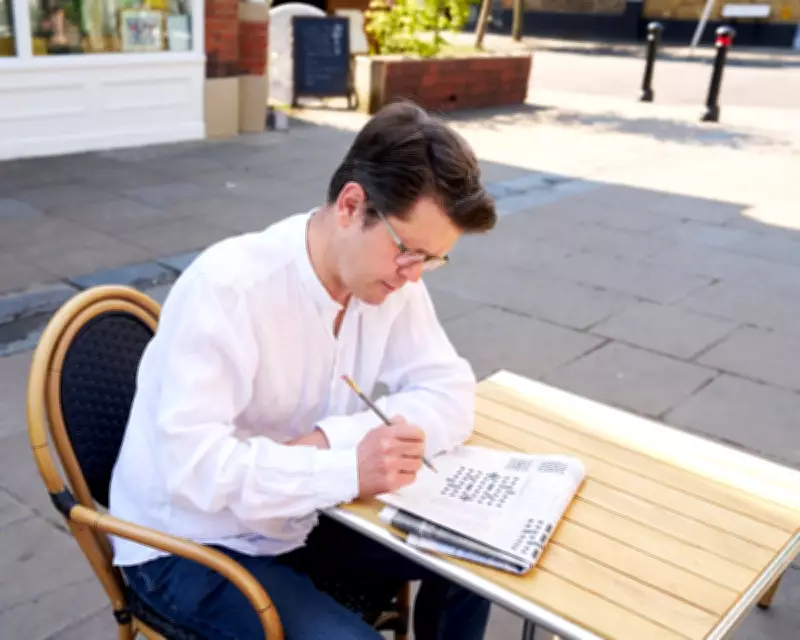
Late in 1928, the Guardian made plans to introduce a weekly cryptic puzzle for its readers. At that time, crosswords were often dismissed as a waste of time, with some newspapers even campaigning against them, claiming they distracted workers from their duties. However, the cryptic crossword was different. Sly and witty rather than purely definitional, it turned each clue into a small riddle, challenging solvers to decode the hidden message.
A Daily Tradition
The weekly puzzle soon became a daily feature, and today the Guardian publishes its 30,000th cryptic crossword. The setter for this milestone puzzle is Arachne, who, like her fellow setters, is regarded by solvers with an affection usually reserved for favorite authors or close friends. At the Guardian, setters have names—or at least pseudonyms—and many have built relationships with solvers spanning decades.
The Art of the Setter
It is sometimes assumed that setters are fiendish ogres aiming to leave solvers baffled with half-filled grids, but the opposite is true. The job of a setter is to lose gracefully after an enjoyable struggle, making the solver feel smart and satisfied. This philosophy applies to all puzzles, but the Guardian brings something extra to the mix. Solvers often find that the rest of the paper reappears in the puzzle, with recent examples including Vlad's furious response to the Post Office Horizon scandal and Boatman's portrait of the geopolitics of 2026.
For the most part, what sets a Guardian crossword apart is its humor. The paper's longstanding policy of not imposing a strict rulebook beyond usual conventions allows setters to play with words in creative ways. Vlad's commentary aside, the cryptic is often a place of pure fun and, on days with dark news, a refuge from the rest of the newspaper.
Puzzles During the Pandemic
Early in the 2020 pandemic, crossword editors saw a spike in interest, not solely because furloughed workers sought activities while confined at home. Puzzles in general, such as the wildly popular Wordle in 2021, offered comfort during Covid—a single problem that could be solved. They remain a fixed part of daily routines for millions. Reading the news can feel like an exercise in questioning reality, with images easily forged and lies told by those in power. In contrast, while a cryptic clue often appears to mean the opposite of what it says, the sleight of hand is designed so that the setter will be caught out.
The Honor of the Game
Meaning what you say is not a practice cryptic setters are beholden to, and most often they prefer not to do so—but saying what you mean is an essential part of the honor of the game. Every day, a cryptic setter makes an offer to readers: "I am going to try to trick you, but I want you to see through my trickery and enjoy doing so." That is a noble and intimate offer. So here's to the Guardian cryptic and to the next 30,000 perfect little enigmas.