Wireless Festival's Controversial Headliner Decision Sparks Widespread Condemnation
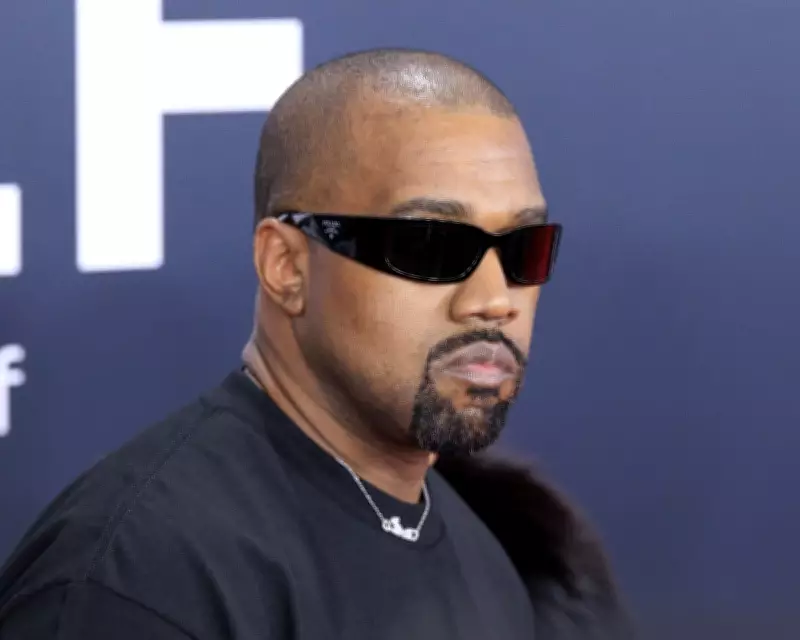
In a move that has ignited fierce criticism across London and beyond, the Wireless Festival has announced Kanye West, also known as Ye, as its headline act for all three days of this year's event in Finsbury Park. The decision comes despite West's well-documented history of antisemitic, sexist, and homophobic outbursts, including his 2025 single "Heil Hitler" which featured samples from Nazi speeches.
A Pattern of Controversy and Corporate Cynicism
The announcement immediately drew condemnation from Jewish organizations, London Mayor Sadiq Khan, and Liberal Democrat leader Ed Davey. This backlash follows years of controversy surrounding West, including his 2022 swastika T-shirt merchandise and numerous companies severing ties with the artist. By 2025, his allies had dwindled to figures like Russell Brand and Andrew Tate, while Australia revoked his visa following his Nazi-related provocations.
Festival Republic, the Wireless organizers owned by Live Nation, described West's "UK comeback" as "an extraordinary chapter in Wireless's story" in their Monday press release. However, critics argue this represents the music industry at its most cynical, prioritizing notoriety over artistic merit or ethical considerations.

The Financial Motivation Behind Controversial Bookings
Industry observers suggest West was booked precisely because of his penchant for controversy, not despite it. His recent musical output has been widely criticized as self-indulgent, boring, and lacking the wit and charm essential to rap music. Pitchfork described his latest album as "a cheap hit of retro-Kanye," emphasizing the diminishing artistic quality accompanying his escalating provocations.
West attempted damage control in January 2025 with a full-page Wall Street Journal advertisement apologizing for past behavior and attributing his outbursts to bipolar disorder. However, this followed multiple previous recantations and subsequent repetitions of antisemitic rhetoric, undermining the apology's credibility.
Sponsorship Questions and Ethical Concerns
The booking raises serious questions for festival sponsor Pepsi and organizer Live Nation about brand alignment with West's values. Critics wonder whether merchandise stalls will sell West's controversial swastika T-shirts or how sponsors reconcile their brand with songs like "All the Love," which reportedly had the working title "Gas Chambers."
This situation highlights how controversy has become monetized in modern pop culture, with corporate entities transforming outrage into profit. As audiences confront the spectacle of controversial figures on stage, the real beneficiaries often remain the executives in boardrooms capitalizing on the attention.
The Wireless Festival's decision represents a troubling normalization of hate speech in pursuit of profit, setting a dangerous precedent for cultural events in London and beyond. With organizers refusing to comment on the controversy, the ethical implications continue to resonate throughout the music industry and wider society.